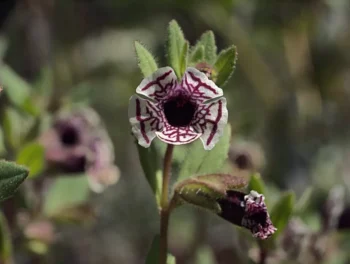
Calico Monkeyflower: A Rare Gem for California Native Gardens
If you’re passionate about California native plants and love discovering botanical treasures, the calico monkeyflower (Mimulus pictus) might just capture your heart. This charming annual wildflower brings a splash of whimsical color to native gardens with its delightfully spotted blooms that look like tiny painted masterpieces.
What Makes Calico Monkeyflower Special
The calico monkeyflower is a true California native, belonging to the diverse Mimulus genus that’s beloved by native plant enthusiasts. As an annual forb, this herbaceous beauty completes its entire life cycle in one growing season, making it a delightful surprise that appears fresh each year when conditions are right.
What really sets this plant apart are its stunning flowers. True to its common name, the blooms display a calico-like pattern with yellow, pink, and purple spots and markings that create an almost hand-painted appearance. Each flower is small but packed with personality, making them perfect conversation starters in any garden.
Where You’ll Find It Growing Wild
Calico monkeyflower is endemic to California, where it naturally occurs in the Sierra Nevada foothills. This limited geographic distribution makes it a special addition to gardens within its native range.
- Species observed
- No observations
Important Conservation Considerations
Here’s something crucial every gardener should know: calico monkeyflower has a Global Conservation Status of S2, meaning it’s considered imperiled in the wild. With only 6 to 20 known occurrences and limited populations, this little wildflower needs our help to survive.
If you’re considering adding this beauty to your garden, please only source seeds or plants from reputable native plant nurseries that practice responsible collection methods. Never collect from wild populations, as this could further threaten the species’ survival.
Is Calico Monkeyflower Right for Your Garden?
This charming annual works beautifully in:
- Native California wildflower gardens
- Rock gardens with well-draining soil
- Naturalized meadow areas
- Drought-tolerant landscape designs
- Educational or demonstration gardens focused on rare natives
The calico monkeyflower thrives in USDA hardiness zones 8-10, making it suitable for most of California’s climate regions. It prefers full sun to partial shade and well-draining soils, typical of many California natives.
Growing Your Own Calico Monkeyflower
Successfully growing this rare beauty requires understanding its natural preferences:
Soil Requirements: Well-draining soil is essential. Heavy clay or constantly moist conditions will likely cause problems for this drought-adapted native.
Water Needs: Once established, calico monkeyflower prefers low to moderate water, following California’s natural rainfall patterns.
Planting Tips: Direct seeding in fall or early spring works best, as the seeds need cool, moist conditions to germinate. Scatter seeds on prepared soil and lightly rake them in.
Maintenance: One of the joys of growing native annuals is their low-maintenance nature. Once your calico monkeyflowers are established, they’ll largely take care of themselves.
Benefits for Pollinators and Wildlife
Despite its small size, calico monkeyflower pulls its weight in supporting local ecosystems. The flowers attract native bees, butterflies, and other small pollinators that have co-evolved with California’s native flora. By growing this plant, you’re providing crucial habitat for these important creatures.
The Bottom Line
Calico monkeyflower offers California gardeners a unique opportunity to grow something truly special while contributing to conservation efforts. Its charming spotted flowers, low-maintenance nature, and pollinator benefits make it an excellent choice for native plant enthusiasts.
Just remember: with great beauty comes great responsibility. Only source this rare plant from ethical suppliers, and consider it a privilege to help preserve this botanical treasure for future generations. Your garden will be richer for including this little piece of California’s natural heritage.