California Adderstongue: The Elusive Native Fern That’s Actually Not Your Typical Fern
If you’ve ever wondered what a plant would look like if it decided to be both mysterious and minimalist, meet the California adderstongue (Ophioglossum californicum). This curious little native might just be one of the most understated plants in the American West, and honestly, that’s part of its charm.
What Exactly Is California Adderstongue?
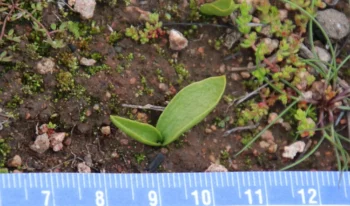
Despite being classified as a fern, California adderstongue doesn’t look like what most people picture when they think fern. Forget those lacy, delicate fronds you’re used to seeing. This perennial forb keeps things simple with just one small, oval leaf and a distinctive fertile spike that shoots up from the center—hence the adderstongue name. That spike really does look like a tiny snake’s tongue poking out to taste the air!
This native species belongs to an ancient group of ferns that have been around for millions of years, making them living fossils in your backyard. The plant rarely grows taller than 6 inches, making it easy to overlook unless you know what you’re looking for.
Where You’ll Find This Native Treasure
California adderstongue is native to the United States, specifically calling California and Texas home. Within these states, you’re most likely to encounter it in grasslands, oak woodlands, and other areas where the soil stays consistently moist.
- Species observed
- No observations
Is It Good for Your Garden?
Here’s where things get interesting (and maybe a little frustrating). While California adderstongue is undoubtedly a fascinating native plant, it’s not exactly garden-friendly in the traditional sense. This little fern has very specific needs and is notoriously difficult to cultivate. It’s also rarely available through commercial nurseries, which makes sense when you consider its finicky nature.
However, if you’re lucky enough to discover it growing naturally on your property, consider yourself blessed! It indicates healthy, native ecosystem conditions and adds botanical diversity to your landscape.
Growing Conditions and Care
California adderstongue has earned its reputation as a challenging plant for good reason. In the wild, it thrives in:
- Consistently moist to wet soils
- Partial shade conditions
- Areas with good drainage despite the moisture requirements
- USDA hardiness zones 8-10
The plant has a facultative wetland status, meaning it can handle both wetland and non-wetland conditions, though it clearly prefers the moister side of life.
How to Identify California Adderstongue
Spotting this elusive native requires a keen eye. Look for:
- A single, simple, oval-shaped sterile frond (leaf)
- A distinctive fertile spike rising from the center of the plant
- Overall height rarely exceeding 6 inches
- Growth in moist, partially shaded areas
- Presence during the plant’s growing season (typically spring through early summer)
Wildlife and Ecological Benefits
While California adderstongue might not be a pollinator magnet (ferns don’t produce flowers, after all), it plays its part in the ecosystem. As a native species, it contributes to the biodiversity of its habitat and provides ground cover in its preferred moist environments.
The Bottom Line
California adderstongue is one of those plants that’s more about appreciation than cultivation. If you’re a native plant enthusiast or someone who loves discovering the subtle treasures of the natural world, learning to identify this unique fern can add a new dimension to your outdoor explorations.
While you probably won’t be adding it to your garden bed anytime soon (unless you’re prepared for a serious challenge), knowing about this fascinating native helps you better understand and appreciate the complex web of plants that make up California and Texas ecosystems. Sometimes the most rewarding plants are the ones we simply get to admire in their natural homes.