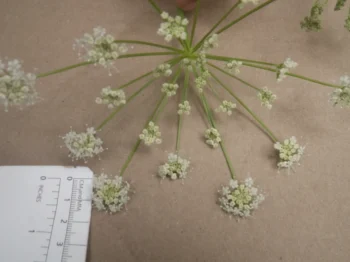
California Angelica: A Spectacular Native with Show-Stopping Blooms
Meet California angelica (Angelica californica), a perennial powerhouse that’s about to become your new favorite native plant. This California endemic brings serious drama to the garden with its massive umbrella-shaped flower clusters and bold, architectural presence. If you’re looking for a native plant that makes a statement while supporting local wildlife, you’ve found your match.
What Makes California Angelica Special
California angelica is a true California native, found exclusively in the Golden State. This perennial herb belongs to the carrot family and grows naturally in California’s coastal areas and foothills. As a forb (a non-woody flowering plant), it lacks the thick woody stems of shrubs and trees, but don’t let that fool you – this plant has presence.
The plant is also known by the synonym Angelica tomentosa var. californica, though most gardeners simply call it California angelica. Currently, this species has a Global Conservation Status of S3?, indicating some uncertainty about its population status, which makes responsible sourcing especially important.
- Species observed
- No observations
Garden Appeal: Why You’ll Love Growing It
California angelica is the kind of plant that stops visitors in their tracks. Here’s what makes it so special:
- Show-stopping flowers: Massive white umbrella-shaped clusters (umbels) that can reach 6-8 inches across
- Architectural presence: Large, compound leaves create bold texture and structure
- Pollinator magnet: Attracts native bees, butterflies, and beneficial insects in droves
- Seasonal interest: Blooms appear in late spring to early summer, creating a spectacular display
Perfect Garden Companions and Design Uses
California angelica shines in several garden settings:
- Native California gardens: Pairs beautifully with other California natives
- Wildlife gardens: Essential for supporting native pollinators and beneficial insects
- Naturalistic landscapes: Perfect for creating that wild California look
- Coastal gardens: Thrives in Mediterranean climates
Use it as a specimen plant where its dramatic form can be appreciated, or as a backdrop for smaller native perennials and annuals.
Growing Conditions: Give It What It Wants
California angelica is surprisingly adaptable once you understand its needs:
- Light: Partial shade to full sun (some afternoon shade in hot inland areas)
- Soil: Well-draining soil; tolerates clay soils once established
- Water: Moderate water needs; some drought tolerance after establishment
- Climate: USDA zones 8-10 (perfect for California’s Mediterranean climate)
Planting and Care Tips
Growing California angelica successfully requires a bit of patience, but the payoff is worth it:
- Starting from seed: Plant seeds in fall or spring; they need cold stratification to germinate
- Establishment: Can be slow to establish but becomes long-lived once settled
- Seasonal cycle: Dies back in summer after flowering – this is completely normal!
- Maintenance: Low maintenance once established; allow natural die-back cycle
Important Sourcing Note
Given California angelica’s uncertain conservation status (S3?), it’s crucial to source plants or seeds responsibly. Always purchase from reputable native plant nurseries that ethically propagate their stock rather than wild-collecting. Never collect seeds or plants from wild populations.
Wildlife Benefits: A Pollinator Paradise
The large, showy flower clusters of California angelica are like five-star restaurants for pollinators. Native bees, butterflies, and beneficial wasps flock to these blooms, making your garden a hub of beneficial insect activity. This increased pollinator presence benefits your entire garden ecosystem.
Is California Angelica Right for Your Garden?
California angelica is perfect for gardeners who want to support native ecosystems while enjoying spectacular seasonal blooms. It’s ideal if you have space for a larger perennial that can take center stage during its flowering period. Just remember to embrace its natural cycle – the summer dormancy is part of its charm, not a problem to solve.
With responsible sourcing and proper growing conditions, California angelica can be a stunning addition to California native gardens, bringing both beauty and ecological value to your landscape.