California Biddy-Biddy: A Rare Native Ground Hugger Worth Knowing
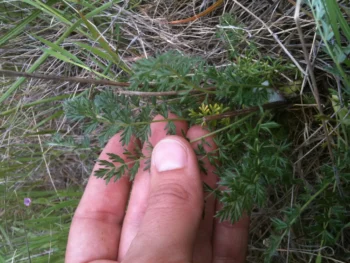
Meet California biddy-biddy (Acaena pinnatifida var. californica), one of the Golden State’s lesser-known native treasures. This unassuming little perennial might not win any beauty contests, but it holds a special place in California’s botanical heritage as an endemic species found nowhere else on Earth.
What Exactly is California Biddy-Biddy?
California biddy-biddy is a perennial forb—think of it as a non-woody plant that comes back year after year. Unlike shrubs or trees, this little guy stays close to the ground without developing any significant woody stems. It’s part of the rose family, though you’d be forgiven for not seeing the family resemblance at first glance!
You might also find this plant listed under its synonym Acaena californica in older botanical references, so don’t be confused if you see both names floating around.
Where Does It Call Home?
This California native is truly a Golden State exclusive, found only within California’s borders. As an endemic species, it’s adapted specifically to local conditions and plays a unique role in California’s natural ecosystems.
- Species observed
- No observations
Should You Plant California Biddy-Biddy?
Here’s where things get interesting—and a bit cautious. This plant has a conservation status that’s somewhat unclear, which suggests it might be quite rare in the wild. If you’re thinking about adding it to your garden, here are some important considerations:
The Good News
- It’s a true California native, supporting local ecosystem health
- As a perennial, it provides year-round presence in the garden
- Perfect for gardeners passionate about preserving California’s botanical heritage
- Likely low-maintenance once established (typical of California natives)
The Reality Check
- Very limited availability in nurseries due to its rarity
- Little cultivation information available
- May require specialized growing conditions
- Best suited for dedicated native plant enthusiasts
Growing California Biddy-Biddy Successfully
Unfortunately, detailed growing information for this specific variety is quite limited—a common challenge with rare native plants. However, based on its California heritage, here’s what we can reasonably expect:
Likely Growing Conditions
- Climate: Probably thrives in Mediterranean-type conditions (USDA zones 8-10)
- Water: Likely drought-tolerant once established, typical of California natives
- Soil: Well-draining soil, possibly adaptable to various soil types
- Sun: Requirements unknown, but many California natives prefer full sun to partial shade
Important Sourcing Note
If you do decide to grow California biddy-biddy, please source it responsibly. Never collect from wild populations, and only purchase from reputable native plant nurseries that propagate their own stock. Given its rarity, this plant needs our protection, not exploitation.
Garden Role and Design Ideas
As a low-growing forb, California biddy-biddy would likely work best as:
- Groundcover in specialized native plant gardens
- Addition to habitat restoration projects
- Conservation specimen for botanical collections
- Educational plant for demonstrating California’s plant diversity
The Bottom Line
California biddy-biddy is more of a conservation curiosity than a mainstream garden plant. If you’re a serious native plant enthusiast with access to responsibly sourced material, it could be a meaningful addition to a specialized collection. However, for most gardeners, there are many other California natives that are easier to find, grow, and establish.
Consider this plant a reminder of California’s incredible botanical diversity—and the importance of protecting our rare native species for future generations to appreciate and study.