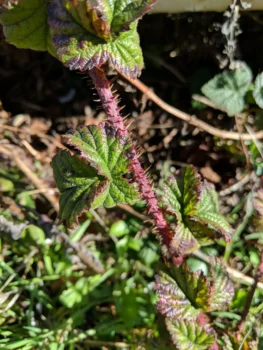
California Blackberry: A Sweet Native Ground Cover for Western Gardens
If you’re looking for a native plant that offers both beauty and bounty, meet the California blackberry (Rubus ursinus). This delightful perennial shrub brings the best of both worlds to your garden – gorgeous spring blooms followed by tasty summer berries that both you and local wildlife will absolutely love.
What Makes California Blackberry Special
California blackberry is a true western native, naturally occurring across British Columbia, California, Idaho, Montana, Oregon, and Washington. This hardy plant has been thriving in Pacific Coast ecosystems long before any of us started gardening, making it a perfect choice for gardeners wanting to work with nature rather than against it.
- Species observed
- No observations
Don’t let the name fool you – while it’s called California blackberry, this versatile native actually spans much of the western United States and into Canada. It’s equally at home in the Arid West and the Western Mountains, Valleys, and Coast regions, showing remarkable adaptability to different climates and conditions.
Size and Growth Habits
This is definitely a think small kind of shrub. California blackberry stays refreshingly compact, typically reaching just 2 feet tall and rarely exceeding 3 feet at maturity. But what it lacks in height, it makes up for in personality – this little powerhouse is a rapid grower and enthusiastic spreader that forms thickets through underground runners.
The plant has a semi-erect, thicket-forming growth habit, which makes it excellent for filling in spaces where you want consistent coverage. Just keep in mind that it has a relatively short lifespan, so you’ll want to let it spread naturally or propagate new plants to maintain your coverage over time.
Seasonal Beauty Throughout the Year
Spring brings the real show-stopper: conspicuous white flowers that brighten up the landscape and draw in pollinators like bees and butterflies. The coarse-textured green foliage provides a lovely backdrop during the growing season, with dense summer coverage that becomes more porous in winter as the leaves drop.
Come summer, you’ll be rewarded with conspicuous black berries that are not only beautiful but deliciously edible. These fruits are a fantastic bonus for gardeners who love incorporating edible elements into their landscapes.
Perfect Garden Roles
California blackberry shines in several garden situations:
- Native and wildlife gardens where you want to support local ecosystems
- Erosion control on slopes or problem areas
- Edible landscaping for gardeners who love homegrown treats
- Naturalized areas where a more wild, informal look is desired
- Food forests as a productive understory element
Growing Conditions and Care
One of the best things about California blackberry is its easygoing nature. This adaptable native tolerates a wide range of soil types – from coarse sandy soils to fine clay – as long as the pH stays between 6.0 and 7.5.
Here’s what it needs to thrive:
- Sun exposure: Full sun (it’s shade intolerant)
- Water needs: Medium moisture requirements with medium drought tolerance once established
- Soil fertility: Medium fertility requirements – not too fussy
- Climate: Hardy in USDA zones 6-9, handling temperatures as low as 7°F
- Precipitation: Thrives with 14-24 inches of annual rainfall
Planting and Care Tips
Getting California blackberry established is straightforward. You can propagate it through seeds, bare root plants, containers, or sprigs. Seeds are tiny – there are about 327,000 per pound! – but germination can be slow and seedling vigor is relatively low, so many gardeners prefer starting with plants.
Plant in fall or early spring when the weather is mild. Space plants according to your coverage goals – you can plant anywhere from 1,200 to 2,700 plants per acre, depending on how quickly you want full coverage.
The first year, provide regular water to help establish the root system, which can reach at least 14 inches deep. After that, the plant’s medium drought tolerance kicks in, though it will produce better fruit with consistent moisture.
Managing the Spread
Here’s where you need to think ahead: California blackberry spreads at a moderate rate through vegetative means (those underground runners), and it readily resprouts when cut back. This vigorous spreading habit makes it fantastic for coverage but means you’ll want to plan for containment if you don’t want it taking over neighboring areas.
Regular pruning can help manage its spread and improve berry production. The plant has high fire tolerance and will resprout after disturbances, making it quite resilient in challenging conditions.
Wildlife and Pollinator Benefits
While specific wildlife benefits weren’t detailed in available data, blackberries are generally beloved by local fauna. The spring flowers provide nectar for pollinators including native bees and butterflies, while the summer berries feed birds, small mammals, and other wildlife. The dense thicket growth also provides shelter and nesting sites for various creatures.
Is California Blackberry Right for Your Garden?
California blackberry is an excellent choice if you:
- Want to support native ecosystems and local wildlife
- Have space for a spreading ground cover
- Enjoy edible landscaping
- Need erosion control on slopes
- Prefer low-maintenance native plants
- Garden in USDA zones 6-9
However, you might want to reconsider if you have a very small space or prefer plants that stay exactly where you put them. The spreading nature, while beneficial for many applications, requires thoughtful placement and occasional management.
Overall, California blackberry offers western gardeners a wonderful opportunity to grow something that’s both ecologically beneficial and personally rewarding. There’s something deeply satisfying about harvesting berries from a plant that also happens to be supporting local pollinators and wildlife – it’s gardening that gives back in multiple ways.