California Bog Asphodel: A Delicate Native Wetland Beauty
If you’ve ever dreamed of creating your own little slice of wetland paradise, meet California bog asphodel (Narthecium californicum) – a charming native perennial that’s as particular about its living conditions as it is beautiful. This delicate forb brings an understated elegance to bog gardens and wetland areas, though it’s definitely not your typical backyard flower.
What Makes California Bog Asphodel Special
California bog asphodel is a true native gem, naturally occurring in the coastal ranges and Sierra Nevada mountains of California and southwestern Oregon. As its name suggests, this plant has a thing for wet feet – and we mean really wet feet. It’s classified as an obligate wetland species, meaning it almost always grows in wetlands and wouldn’t dream of living anywhere else.
- Species observed
- No observations
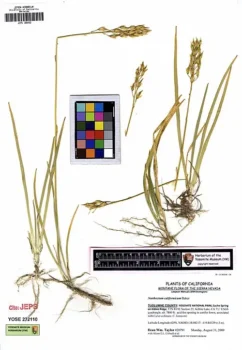
This herbaceous perennial produces clusters of small, creamy-white flowers arranged in elegant spikes that rise above narrow, grass-like leaves. The overall effect is delicate and naturalistic, perfect for gardeners who appreciate subtle beauty over flashy blooms.
Is California Bog Asphodel Right for Your Garden?
Here’s the honest truth: California bog asphodel isn’t for everyone. This plant is wonderfully specialized, which means it has very specific needs that can be challenging to meet in typical garden settings.
You might love this plant if you:
- Have a bog garden or wetland area on your property
- Live in USDA hardiness zones 7-9
- Enjoy creating naturalistic, native plant communities
- Appreciate subtle, delicate flowers over bold displays
- Are working on wetland restoration projects
This plant might not be for you if you:
- Have typical garden conditions (well-drained soil)
- Prefer low-maintenance plants
- Want immediate visual impact
- Live outside its native range or hardiness zones
Growing California Bog Asphodel Successfully
If you’re determined to grow this lovely native, here’s what you need to know about keeping it happy:
Soil Requirements: California bog asphodel demands constantly moist to wet, acidic soil. Think bog conditions – not just damp, but genuinely wet. Regular garden soil, even if kept moist, typically won’t cut it.
Light Conditions: This plant thrives in full sun to partial shade. In its native habitat, it often grows in open, sunny wetland areas.
Watering: Once established in appropriate bog conditions, natural rainfall and your bog setup should handle watering needs. The key is maintaining consistent moisture levels year-round.
Maintenance: Relatively low maintenance once established in the right conditions, but getting those conditions right is the challenge.
Benefits for Wildlife and Pollinators
While California bog asphodel may seem modest, it plays an important role in its native ecosystem. The small flowers attract various pollinators, particularly small flies and other insects adapted to wetland environments. As part of a native wetland community, it contributes to the complex web of relationships that support wildlife in these specialized habitats.
The Bottom Line
California bog asphodel is a beautiful native plant that deserves appreciation, but it’s definitely a specialist. If you have the right wetland conditions or are creating a bog garden, this delicate perennial can add authentic native character to your landscape. However, if you’re looking for an easy-care garden perennial, you might want to explore other native options that are more adaptable to typical garden conditions.
For those up for the challenge, successfully growing California bog asphodel offers the satisfaction of cultivating a truly specialized native plant while supporting local ecosystems and pollinators. Just remember: this plant knows what it wants, and what it wants is to keep its feet very, very wet!