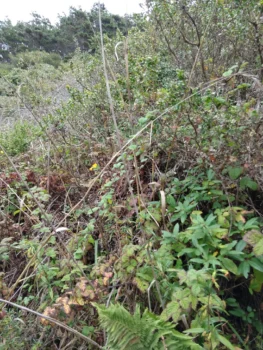
California Bottlebrush Grass: A Rare Native Beauty for Your Garden
If you’re looking to add some authentic California character to your native plant garden, California bottlebrush grass (Elymus californicus) might just be the perfect addition. This charming perennial grass gets its delightful name from its distinctive seed heads that look remarkably like tiny bottlebrushes dancing in the breeze.
What Makes California Bottlebrush Grass Special
California bottlebrush grass is a true California native, found exclusively within the Golden State. This graminoid (that’s garden-speak for grass-like plant) brings a unique texture and movement to landscapes that’s hard to replicate with non-native alternatives.
The grass produces those characteristic bottlebrush-shaped seed heads that not only look fantastic but also provide valuable seeds for local birds. It’s like having a natural bird feeder that never needs refilling!
Where You’ll Find It Growing Wild
This grass is endemic to California, meaning you won’t find it growing naturally anywhere else in the world. It thrives in various habitats throughout the state, from coastal areas to inland regions.
- Species observed
- No observations
Important Conservation Note
Here’s something every responsible gardener should know: California bottlebrush grass has a Global Conservation Status of S3, which means it’s considered vulnerable. With typically only 21 to 100 occurrences and between 3,000 to 10,000 individuals in the wild, this grass is somewhat rare.
What this means for you: If you decide to grow this beautiful native, please make sure you source it responsibly from reputable native plant nurseries that propagate their own stock rather than wild-collecting.
Why Gardeners Love (and Should Grow) This Grass
California bottlebrush grass offers several compelling reasons to include it in your landscape:
- True California native: Supports local ecosystems and wildlife
- Low maintenance: Once established, it requires minimal care
- Drought tolerant: Perfect for water-wise gardens
- Unique texture: Adds movement and visual interest
- Wildlife benefits: Provides seeds for birds and habitat structure
- Erosion control: Excellent for slopes and restoration projects
Perfect Garden Settings
This versatile grass works beautifully in several garden styles:
- Native plant gardens
- Drought-tolerant landscapes
- Naturalistic prairie-style plantings
- Restoration projects
- Erosion control areas
- Wildlife habitat gardens
Growing Conditions and Care
California bottlebrush grass is surprisingly easy-going once you understand its preferences:
Climate: Thrives in USDA zones 8-10, making it perfect for California’s Mediterranean climate
Sun exposure: Adaptable to both partial shade and full sun conditions
Soil: Prefers well-draining soils but isn’t overly fussy about soil type
Water needs: Moderate water during establishment, then quite drought tolerant
Planting and Care Tips
Getting your California bottlebrush grass off to a good start is straightforward:
- Planting time: Fall is ideal, giving roots time to establish before summer heat
- Spacing: Allow adequate room for the grass to form its natural clumping habit
- First year watering: Provide regular water during the first growing season
- Established care: Minimal watering needed once established
- Maintenance: Cut back in late winter if desired, though many gardeners leave seed heads for wildlife
The Bottom Line
California bottlebrush grass is a wonderful choice for gardeners who want to support native ecosystems while enjoying a low-maintenance, visually appealing plant. Its rarity makes it even more special – you’ll be growing something truly unique to California.
Just remember to source it responsibly, give it well-draining soil and some patience during establishment, and you’ll be rewarded with years of bottlebrush beauty and the satisfaction of supporting local wildlife. It’s a win-win for both you and California’s natural heritage!