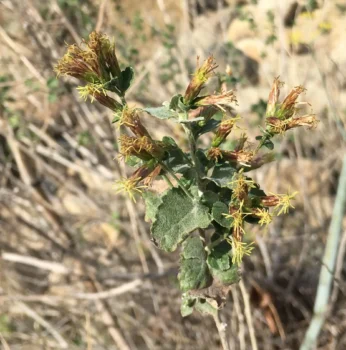
California Brickellbush: A Drought-Tolerant Native Worth Knowing
If you’re looking for a low-maintenance, water-wise addition to your native garden, let me introduce you to California brickellbush (Brickellia californica). This unassuming little perennial shrub might not win any flashy flower contests, but it’s exactly the kind of reliable, eco-friendly plant that makes native gardening so rewarding.
What Exactly Is California Brickellbush?
California brickellbush is a compact, low-growing perennial shrub that typically stays under 1.5 feet tall, though it can occasionally reach up to 3 feet at maturity. Don’t let its modest size fool you – this tough little plant packs a lot of value into its small stature. As a true native of the American West, it’s perfectly adapted to the challenging conditions that make many gardeners throw in the trowel.
Where You’ll Find It Growing Wild
This hardy native calls home to an impressive swath of the western United States, naturally occurring in Arizona, California, Colorado, Idaho, Nevada, New Mexico, Oklahoma, Oregon, Texas, and Utah. That’s quite a range for such a small plant! It thrives in the arid and semi-arid regions where many other plants struggle to survive.
- Species observed
- No observations
Why Consider California Brickellbush for Your Garden?
Here’s where this little shrub really shines. California brickellbush offers several compelling reasons to earn a spot in your landscape:
- Drought tolerance: Once established, it requires minimal water – perfect for water-wise gardening
- Low maintenance: This isn’t a plant that demands constant attention
- Native wildlife support: The small, clustered flowers attract native bees, butterflies, and other beneficial pollinators
- Erosion control: Its spreading habit makes it useful for stabilizing slopes and naturalized areas
- Year-round interest: The silvery-green foliage provides texture even when not in bloom
What to Expect: Looks and Growth
California brickellbush won’t overwhelm your garden with bold colors or dramatic foliage, but it has its own quiet charm. The narrow, linear leaves create a fine-textured appearance, while the small white to pale yellow flowers appear in clusters during the blooming season. Think of it as the gardening equivalent of a good friend – not flashy, but dependable and always there when you need it.
Perfect Garden Situations
This versatile native works beautifully in several garden styles:
- Xeriscapes: Ideal for water-conscious landscapes
- Native plant gardens: A natural choice for authentic regional plantings
- Rock gardens: Thrives in the well-draining conditions rock gardens provide
- Naturalized areas: Perfect for creating low-maintenance, wildlife-friendly spaces
- Erosion control: Useful on slopes or areas prone to soil erosion
Growing Conditions and Care
The beauty of California brickellbush lies in its simplicity. This plant thrives in USDA hardiness zones 4-9, making it suitable for a wide range of climates. Here’s what it needs to succeed:
Sun: Full sun is best, though it can tolerate some light shade
Soil: Well-draining soil is absolutely essential. Sandy or rocky soils are ideal – think desert conditions rather than rich garden loam
Water: Drought tolerant once established, but provide regular water during the first growing season
Special considerations: This plant has a Facultative Upland wetland status, meaning it usually prefers non-wetland conditions but can occasionally tolerate some moisture
Planting and Maintenance Tips
Getting California brickellbush established is refreshingly straightforward:
- Plant in spring or fall when temperatures are moderate
- Ensure excellent drainage – this is non-negotiable for success
- Water regularly the first year, then reduce to occasional deep watering
- Light pruning after flowering can help maintain shape
- Avoid fertilizing – this native prefers lean soils
- Mulch lightly if desired, but keep mulch away from the plant’s base
The Bottom Line
California brickellbush might not be the star of your garden, but it’s definitely supporting cast material. It’s the kind of plant that makes native gardening accessible and rewarding – low maintenance, environmentally beneficial, and perfectly suited to western growing conditions. If you’re building a water-wise landscape or want to support native wildlife without a lot of fuss, this modest little shrub deserves serious consideration.
Plus, there’s something deeply satisfying about growing a plant that’s perfectly at home in your region’s climate. California brickellbush isn’t fighting your local conditions – it’s celebrating them.