California Butterwort: A Tiny Carnivorous Beauty for Specialized Gardens
If you’ve ever wanted to add a touch of the wild and wonderful to your garden, meet California butterwort (Pinguicula macroceras) – a charming little carnivorous plant that’s as fascinating as it is beautiful. This native gem might just be the conversation starter your garden has been missing, though it definitely comes with some special requirements.
What Makes California Butterwort Special?
California butterwort is a perennial forb that belongs to the exclusive club of carnivorous plants. Don’t let the name fool you – while it’s called California butterwort, this little beauty actually calls much of western North America home. It’s a true native species that naturally occurs from the wilds of Alaska all the way down to California, with stops in Idaho, Montana, Oregon, and Washington along the way.
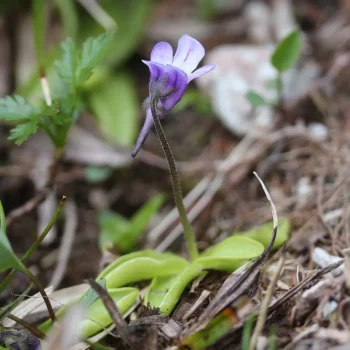
The plant gets its butterwort name from its distinctive leaves, which feel greasy or buttery to the touch. These sticky leaves aren’t just for show – they’re actually tiny traps that capture small insects, making this plant a natural pest controller (albeit on a very small scale).
- Species observed
- No observations
Garden Appeal and Aesthetic Value
California butterwort forms neat little rosettes of yellowish-green to bright green leaves that stay close to the ground. In late spring and early summer, it sends up delicate purple flowers on slender stalks that can reach 6 inches tall. While small in stature, these blooms pack a visual punch with their vibrant color and elegant form.
The plant’s compact size and unique appearance make it perfect for:
- Bog gardens and wetland plantings
- Carnivorous plant collections
- Alpine or rock gardens with consistent moisture
- Container gardens designed for specialized plants
Growing Conditions and Care
Here’s where California butterwort gets a bit demanding – this isn’t your typical garden plant. As an obligate wetland species, it absolutely must have consistently moist to wet conditions. Think bog-like environments rather than your average garden bed.
Essential growing requirements:
- Moisture: Constantly moist to wet soil – never allow it to dry out
- Soil: Acidic, nutrient-poor soil or specialized carnivorous plant mix
- Light: Partial shade to full sun, depending on your climate
- Water quality: Use only distilled water, rainwater, or reverse osmosis water
- Hardiness: Suitable for USDA zones 3-8
Is California Butterwort Right for Your Garden?
Consider planting it if you:
- Have or want to create a bog garden or wetland area
- Are fascinated by carnivorous plants and their unique adaptations
- Enjoy the challenge of growing specialized native plants
- Want to support native pollinators with an unusual nectar source
Think twice if you:
- Don’t have a consistently wet growing area
- Prefer low-maintenance plants
- Have hard or chlorinated water as your only option
- Want immediate visual impact from larger plants
Wildlife and Pollinator Benefits
While California butterwort may be small, it pulls its weight in supporting local ecosystems. The purple flowers attract small pollinators like flies and gnats, while the carnivorous nature of the plant helps control tiny pest insects. It’s also an important component of natural wetland communities where it occurs.
Planting and Care Tips
Success with California butterwort requires attention to detail:
- Choose your spot carefully: Ensure consistent moisture year-round
- Use the right growing medium: A mix of peat moss and perlite works well
- Water from below: Keep the soil saturated but avoid pouring water directly on leaves
- Be patient: These plants grow slowly and may take time to establish
- Winter care: In colder zones, plants may go dormant – reduce watering but don’t let them dry out completely
The Bottom Line
California butterwort is definitely not for every gardener or every garden situation. It’s a specialist plant that rewards those willing to meet its specific needs with unique beauty and fascinating carnivorous behavior. If you’re up for the challenge of creating the right growing conditions, this native charmer can be a delightful addition to specialized garden spaces. Just remember – success lies in understanding and respecting its wild, wetland origins.