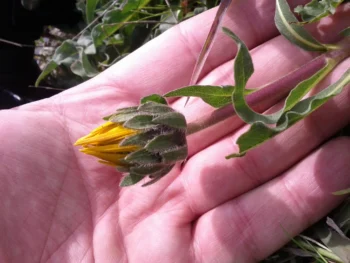
California Compassplant: A Golden Native Beauty for Water-Wise Gardens
Looking for a show-stopping native plant that can handle California’s dry summers while feeding local pollinators? Meet the California compassplant (Wyethia angustifolia), a perennial wildflower that brings sunshine to your garden without demanding much water in return.
What is California Compassplant?
California compassplant is a native herbaceous perennial that belongs to the sunflower family. This forb (a fancy term for a non-woody flowering plant) produces spectacular bright yellow blooms that can reach 3-4 inches across, resembling cheerful sunflowers. The plant gets its charming common name from its traditional medicinal uses by Native Americans.
As a true native, this perennial lacks the woody stems of shrubs and trees, instead growing from underground perennating buds that help it survive California’s challenging climate year after year.
Where Does It Naturally Grow?
California compassplant is naturally found throughout California, Oregon, and Washington, making it a true Pacific Coast native. In the wild, you’ll spot it thriving in grasslands, oak woodlands, and chaparral communities where it has adapted to the region’s Mediterranean climate patterns.
- Species observed
- No observations
Why Plant California Compassplant?
There are plenty of compelling reasons to give this native beauty a spot in your garden:
- Drought Tolerance: Once established, it handles dry summers like a champion
- Pollinator Magnet: Those big, bright blooms are irresistible to bees, butterflies, and other beneficial insects
- Low Maintenance: Being a native means it’s naturally adapted to local conditions
- Wildlife Support: Provides food and habitat for local wildlife
- Extended Bloom Period: Flowers from late spring through early summer
What Does It Look Like?
California compassplant is definitely not a shrinking violet. The plant produces distinctive narrow, lance-shaped leaves that have a silvery-green color and a slightly fuzzy texture. When those golden-yellow flowers appear in late spring, they create quite the spectacle against the silvery foliage.
The blooms themselves are the real stars of the show – large, daisy-like flowers that practically glow in the garden. Each flower head can reach 3-4 inches across, making them impossible to ignore when they’re in full bloom.
Perfect Garden Roles
California compassplant works beautifully in several garden settings:
- Native Plant Gardens: A natural choice for authentic California landscapes
- Wildflower Meadows: Adds height and drama to naturalized areas
- Xeriscapes: Perfect for water-wise landscaping
- Wildlife Gardens: Essential for supporting local pollinators
- Backdrop Plantings: Use behind shorter plants for layered interest
Growing Conditions and Care
The beauty of growing natives is that they’re naturally suited to local conditions. California compassplant thrives in USDA hardiness zones 7-10, making it suitable for most of California and similar climates.
Sunlight: Give it full sun for the best flowering performance.
Soil: Well-draining soil is essential. It adapts to various soil types including sandy and clay loam, but won’t tolerate soggy conditions.
Water: Here’s where this plant really shines – it’s quite drought tolerant once established. During the first year, provide regular water to help it get established, then you can gradually reduce watering.
Wetland Tolerance: This plant typically prefers non-wetland conditions but can occasionally tolerate some moisture, earning it a Facultative Upland status.
Planting and Establishment Tips
Getting California compassplant started in your garden is relatively straightforward:
- Timing: Plant seeds in fall or early spring for best results
- Soil Prep: Ensure excellent drainage – this is crucial for success
- Spacing: Give plants room to spread and show off those impressive blooms
- First Year Care: Provide regular water during establishment, then gradually reduce
- Summer Dormancy: Don’t panic if the plant goes quiet during hot summer months – this is normal
A Few Things to Keep in Mind
While California compassplant is generally easy-going, there are a few things to consider:
This plant may enter summer dormancy during the hottest months, which is completely natural. Don’t mistake this rest period for plant death – it’s just conserving energy for next year’s spectacular show.
Since it’s adapted to Mediterranean climates with wet winters and dry summers, avoid overwatering during the summer months, as this can actually harm the plant.
Supporting Local Ecosystems
By choosing California compassplant, you’re not just adding beauty to your garden – you’re supporting local ecosystems. This native provides nectar for pollinators during its bloom period and contributes to the complex web of relationships that make California’s natural communities so special.
Plus, there’s something deeply satisfying about growing plants that truly belong in your landscape, plants that have been thriving in your region for thousands of years.
Whether you’re creating a native plant showcase, establishing a water-wise landscape, or simply want to support local wildlife, California compassplant deserves serious consideration. Its golden blooms, drought tolerance, and ecological benefits make it a true triple threat in the native plant world.