California Coneflower: A Golden Gem for Your Native Garden
If you’re looking to add a splash of sunshine to your California garden while supporting local wildlife, the California coneflower might just be your new best friend. This cheerful native perennial brings both beauty and ecological benefits to landscapes throughout the Golden State.
What Makes California Coneflower Special?
California coneflower (Rudbeckia californica) is a true California native, found naturally only within the state’s borders. As a perennial forb, this plant lacks woody stems but returns year after year, making it a reliable addition to your garden. Unlike some of its Rudbeckia cousins that hail from other regions, this species has evolved specifically to thrive in California’s unique climate conditions.
Where Does It Call Home?
This golden beauty is exclusively Californian, growing naturally throughout various regions of the state. You’ll find it flourishing from the Sierra Nevada foothills to the Central Valley, where it has adapted to the state’s Mediterranean climate over thousands of years.
- Species observed
- No observations
A Garden Star with Serious Curb Appeal
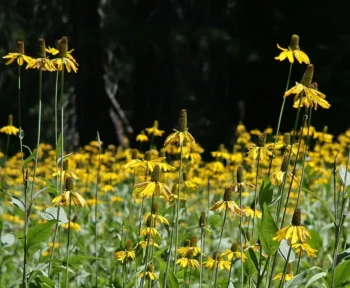
California coneflower produces vibrant yellow, daisy-like flowers with distinctive dark centers that bloom from summer through fall. These cheerful blooms create stunning displays when planted in masses, and their long blooming period means months of color in your garden. The flowers rise above green foliage on sturdy stems, creating a naturalized look that’s both wild and refined.
Perfect Spots in Your Landscape
This versatile native works beautifully in several garden settings:
- Wildflower and meadow gardens
- Native plant landscapes
- Pollinator gardens
- Drought-tolerant landscapes
- Naturalized areas where you want a casual, wild look
California coneflower plays well with other native plants and can serve as both a focal point when massed together or as a supporting player in mixed native plantings.
Growing Conditions That Make It Happy
One of the best things about California coneflower is how easy-going it can be once established. Here’s what it prefers:
- Sunlight: Full sun to partial shade
- Soil: Well-draining soil (it’s not picky about soil type)
- Water: Drought tolerant once established, though appreciates occasional deep watering
- Climate: Thrives in USDA hardiness zones 8-10
The Wetland Connection
Interestingly, California coneflower has different moisture preferences depending on the region. In California’s Arid West areas, it typically grows in wetland conditions, while in the Western Mountains, Valleys, and Coast regions, it usually prefers drier, upland sites. This flexibility makes it adaptable to various garden conditions.
Planting and Care Made Simple
Getting your California coneflower off to a good start is straightforward:
- Best planting time: Spring, after the last frost
- First year care: Water regularly to help establish a strong root system
- Ongoing maintenance: Minimal! Once established, it’s quite self-sufficient
- Deadheading: Optional – you can remove spent flowers for continued blooming or leave them for wildlife
A Pollinator Paradise
California coneflower is a magnet for beneficial insects. Bees love the abundant nectar and pollen, while butterflies frequently visit the bright blooms. By planting this native species, you’re creating habitat and food sources that local pollinators have co-evolved with for millennia.
Why Choose California Coneflower?
Beyond its obvious beauty, there are compelling reasons to include this native in your garden:
- Supports local ecosystems and wildlife
- Requires less water than many non-native alternatives
- Blooms for an extended period
- Low maintenance once established
- Helps preserve California’s botanical heritage
The Bottom Line
California coneflower offers gardeners the perfect combination of beauty, ecological value, and easy care. Whether you’re creating a dedicated native plant garden or simply want to add some golden sunshine to your landscape while supporting local wildlife, this charming native deserves serious consideration. Plus, there’s something deeply satisfying about growing a plant that truly belongs in your corner of California.