California Copperleaf: A Drought-Loving Native for Water-Wise Gardens
If you’re looking for a low-maintenance, drought-tolerant plant that adds subtle beauty to your landscape while supporting local ecosystems, meet California copperleaf (Acalypha californica). This unassuming native shrub might not win any flashy flower contests, but it’s a garden workhorse that deserves a spot in water-wise landscapes across the Southwest.
What Makes California Copperleaf Special?
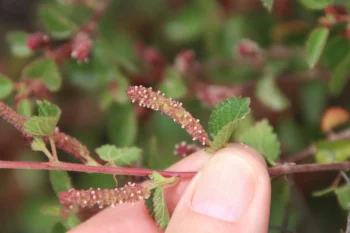
California copperleaf is a perennial shrub that typically stays compact, making it perfect for gardeners who want native beauty without the commitment of larger plants. As its common name suggests, the heart-shaped leaves often display lovely copper or reddish tints, especially when the plant is young or experiencing mild stress – adding unexpected color to desert and Mediterranean-style gardens.
This native gem belongs to the spurge family and produces small, greenish flowers that might not catch your eye but certainly catch the attention of beneficial insects and small pollinators looking for nectar.
Where Does It Come From?
California copperleaf is native to the southwestern United States, calling both California and Arizona home. In the wild, you’ll find it thriving in desert regions and chaparral communities, where it has adapted to hot, dry conditions and poor soils – making it an excellent choice for similar conditions in your garden.
- Species observed
- No observations
Why Plant California Copperleaf?
Here’s why this native shrub deserves consideration for your landscape:
- Water-wise champion: Once established, it requires minimal irrigation, perfect for drought-prone regions
- Native ecosystem support: Provides nectar for pollinators and supports local wildlife
- Low maintenance: Requires little care once established
- Subtle beauty: Offers attractive foliage with copper tones that complement other desert plants
- Versatile size: Stays relatively small, making it suitable for various landscape roles
Perfect Garden Roles
California copperleaf shines in several landscape situations:
- Xeriscapes and drought-tolerant gardens
- Rock gardens where its modest size won’t overwhelm
- Native plant gardens celebrating regional flora
- Groundcover in areas where you want low-growing, permanent coverage
- Mixed borders with other drought-tolerant natives
Growing Conditions and Care
The beauty of California copperleaf lies in its simplicity. This plant thrives in USDA hardiness zones 8-10 and prefers:
- Sunlight: Full sun to partial shade
- Soil: Well-draining soils (it’s not picky about soil type)
- Water: Low water needs once established
- Maintenance: Minimal pruning needed
Planting and Care Tips
Getting California copperleaf established in your garden is straightforward:
- Best planting time: Fall or early spring when temperatures are moderate
- First-year care: Water regularly to help establish the root system
- Long-term care: Reduce watering significantly once established – this plant actually prefers drier conditions
- Pruning: Light pruning to maintain shape if desired, but it’s not necessary
- Fertilizing: Generally unnecessary – this native is adapted to lean soils
Is California Copperleaf Right for Your Garden?
California copperleaf is an excellent choice if you’re creating a water-wise landscape, want to support native ecosystems, or need a low-maintenance plant for challenging growing conditions. It’s particularly valuable for gardeners in the Southwest who want to reduce water usage while maintaining an attractive landscape.
While it won’t provide the dramatic blooms of some garden favorites, its subtle charm, ecological benefits, and practically maintenance-free nature make it a smart addition to sustainable landscapes. Plus, there’s something deeply satisfying about growing a plant that truly belongs in your local environment – it’s gardening in harmony with nature.