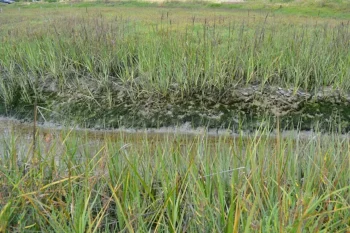
California Cordgrass: A Coastal Native Worth Protecting
If you’ve ever walked along California’s coastal salt marshes and admired those swaying golden grasses dancing in the ocean breeze, you’ve likely encountered California cordgrass (Spartina foliosa). This remarkable native perennial grass isn’t your typical backyard plant—it’s a specialized coastal warrior that thrives where few other plants dare to grow.
What Makes California Cordgrass Special
California cordgrass, also known by its scientific name Spartina foliosa, is a true California native that has called the state’s coastal wetlands home for thousands of years. This hardy perennial grass forms dense colonies of narrow, green leaves that can reach 2-4 feet tall, creating a stunning golden tapestry when they turn bronze in the fall.
What sets this grass apart is its incredible ability to tolerate salt water—something that would quickly kill most garden plants. It’s classified as an obligate wetland species, meaning it almost always occurs in wetland environments and has adapted specifically to life in these challenging conditions.
Where You’ll Find It Growing Wild
California cordgrass is endemic to California’s coastal regions, naturally occurring in salt marshes and tidal wetlands from San Francisco Bay south to Baja California, Mexico. These specialized habitats experience regular flooding with salt water, creating one of the most challenging growing environments on Earth.
- Species observed
- No observations
Why This Plant Needs Our Help
Here’s something important to know: California cordgrass has a conservation status of S3S4, which means it’s considered vulnerable to apparently secure. This means that while it’s not critically endangered, its populations face ongoing pressures from coastal development, pollution, and habitat loss. If you’re considering growing this plant, it’s crucial to source it responsibly from reputable native plant nurseries or restoration organizations.
Is California Cordgrass Right for Your Garden?
Let’s be honest—this isn’t a plant for everyone’s garden. California cordgrass has very specific requirements that make it suitable only for certain types of landscaping projects:
Perfect for:
- Coastal restoration projects
- Living shoreline installations
- Salt-tolerant rain gardens near the coast
- Wetland habitat creation
- Erosion control in tidal areas
Not suitable for:
- Traditional residential gardens
- Inland locations
- Areas without consistent moisture or salt water access
- Formal landscape designs
Growing California Cordgrass Successfully
If you have the right conditions and are committed to conservation, here’s what you need to know about growing California cordgrass:
Essential Growing Conditions:
- Full sun exposure
- Saline or brackish water conditions
- Regular flooding or tidal influence
- Clay or sandy soils that can handle salt
- USDA hardiness zones 9-11
Planting and Care Tips:
- Source plants only from reputable native plant suppliers
- Plant during the rainy season for best establishment
- Ensure consistent access to salt water or brackish conditions
- Allow for natural spreading through underground rhizomes
- Minimal maintenance required once established in proper conditions
Wildlife and Ecosystem Benefits
While California cordgrass may not attract typical garden pollinators (it’s wind-pollinated), it provides invaluable ecosystem services. These grass colonies create critical habitat for many coastal birds, provide nursery areas for fish, and help prevent shoreline erosion. They’re also an essential part of the salt marsh food web, supporting everything from tiny invertebrates to large wading birds.
The Bottom Line
California cordgrass is a fascinating native plant that plays a crucial role in California’s coastal ecosystems. While it’s not suitable for most home gardens due to its specialized requirements, it’s an excellent choice for coastal restoration projects and specialized wetland gardens. If you’re in a position to help restore coastal habitats, this plant can be a valuable ally—just make sure to source it responsibly and understand its unique needs.
Remember, by choosing to work with native plants like California cordgrass in appropriate settings, you’re not just creating beautiful landscapes—you’re helping preserve California’s natural heritage for future generations.