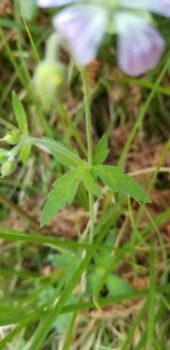
California Cranesbill: A Charming Native Wildflower for Your Garden
If you’re looking to add some authentic California charm to your garden, meet the delightful California cranesbill (Geranium californicum). This perennial native wildflower might just become your new favorite ground cover, bringing both beauty and ecological value to your landscape.
What Makes California Cranesbill Special?
California cranesbill is a true California native, found exclusively in the Golden State. As a member of the geranium family, it’s classified as a forb – essentially a non-woody perennial that dies back to ground level each winter and reemerges fresh each spring. Don’t let the simple classification fool you though; this little plant packs a big punch in the garden.
The plant gets its charming common name from its distinctive seed pods, which look remarkably like a crane’s bill. You might also see it listed under its synonym, Geranium concinnum, but California cranesbill rolls off the tongue much more easily!
Where Does It Grow?
This endemic beauty calls only California home, thriving throughout the state from the Sierra Nevada mountains to coastal ranges. Its natural habitat spans diverse elevations and microclimates, making it surprisingly adaptable for garden use.
- Species observed
- No observations
Garden Appeal and Landscape Role
California cranesbill brings understated elegance to any garden setting. The plant produces lovely pink to magenta flowers with five delicate petals that bloom from spring through summer. Its deeply divided, palmate leaves create an attractive mounding habit that works beautifully as a ground cover or accent plant.
This versatile native shines in several garden styles:
- Rock gardens, where its compact form nestles perfectly between stones
- Woodland gardens, complementing ferns and other shade-lovers
- Native plant gardens, supporting local ecosystems
- Drought-tolerant landscapes, once established
Supporting Local Wildlife
As a native plant, California cranesbill provides valuable resources for local pollinators. Bees, butterflies, and other beneficial insects visit the nectar-rich flowers throughout the blooming season. By choosing this native over non-native alternatives, you’re helping support the intricate web of relationships that make California’s ecosystems so special.
The plant’s facultative wetland status means it can adapt to both moist and drier conditions, making it useful for transitional areas in your landscape where water availability varies seasonally.
Growing California Cranesbill Successfully
One of the best things about California cranesbill is how relatively easy it is to grow, especially once you understand its preferences.
Ideal Growing Conditions
- Light: Partial shade to full sun (morning sun with afternoon shade is ideal)
- Soil: Well-draining soil is essential – this plant doesn’t like wet feet
- Water: Moderate water needs; drought-tolerant once established
- Climate: Thrives in USDA hardiness zones 7-10
Planting and Care Tips
For best results, plant California cranesbill in fall or early spring when temperatures are mild. Here are some tried-and-true tips for success:
- Improve heavy clay soils with compost or pumice for better drainage
- Apply a 2-3 inch layer of mulch around plants to retain moisture and suppress weeds
- Deadhead spent flowers to encourage continued blooming
- Divide established clumps every 3-4 years to maintain vigor
- Reduce watering in summer to mimic natural rainfall patterns
Why Choose California Cranesbill?
Beyond its obvious beauty, California cranesbill offers several compelling reasons to earn a spot in your garden. As a true California native, it’s perfectly adapted to local conditions and supports native wildlife. Its moderate size and attractive foliage make it versatile enough for various garden styles, while its relatively low maintenance requirements appeal to busy gardeners.
Perhaps most importantly, by choosing natives like California cranesbill, you’re participating in conservation efforts and helping preserve California’s unique botanical heritage for future generations. Now that’s something worth celebrating!
Ready to add this charming native to your garden? Look for California cranesbill at native plant nurseries or native plant sales in your area. Your local pollinators – and your garden – will thank you.