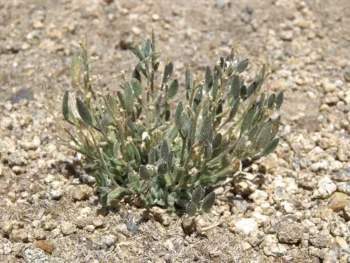
California Draba: A Rare Native Gem for Your Rock Garden
If you’re passionate about native plants and love the charm of diminutive wildflowers, California draba (Draba californica) might just steal your heart. This petite perennial forb brings subtle beauty to gardens while supporting local ecosystems, though its rarity makes it a special find for dedicated native plant enthusiasts.
What is California Draba?
California draba is a small, unassuming perennial that belongs to the mustard family. As a forb—meaning it’s a non-woody flowering plant—it forms compact rosettes of leaves and produces delicate clusters of tiny white flowers. Don’t let its modest size fool you; this little plant packs a punch when it comes to drought tolerance and wildlife value.
You might occasionally see it listed under its botanical synonym Draba cuneifolia var. californica in older references, but Draba californica is the accepted name today.
Where Does California Draba Grow Naturally?
True to its name, California draba is native to the western United States, specifically California and Nevada. This hardy little plant has adapted to the challenging conditions of these regions, making it naturally suited for water-wise gardens in similar climates.
- Species observed
- No observations
A Word About Rarity
Here’s something important to know: California draba has a Global Conservation Status of S3, meaning it’s considered vulnerable. With typically only 21 to 100 occurrences and between 3,000 to 10,000 individuals in the wild, this isn’t your run-of-the-mill garden plant. If you’re interested in growing California draba, please only source it from reputable native plant nurseries that ethically propagate their stock—never collect from the wild.
Why Grow California Draba?
Despite its rarity (or perhaps because of it), California draba offers several compelling reasons to include it in your garden:
- Native authenticity: Support local ecosystems with a true regional native
- Water-wise gardening: Perfect for drought-tolerant landscapes
- Pollinator support: Small flowers attract native bees and beneficial insects
- Rock garden charm: Adds delicate texture to alpine and desert garden designs
- Conservation contribution: Help preserve a vulnerable species through cultivation
What Kind of Garden Suits California Draba?
California draba shines in specialized garden settings where its modest beauty can be appreciated up close:
- Rock gardens and alpine gardens
- Native plant gardens
- Xeriscaping projects
- Container gardens (where you can control growing conditions precisely)
- Wildlife gardens focused on native pollinators
Growing Conditions and Care
Like many plants from California and Nevada, California draba appreciates conditions that mimic its native habitat:
- Sunlight: Full sun to partial shade
- Soil: Well-draining soil is absolutely essential—this plant won’t tolerate soggy conditions
- Water: Drought tolerant once established; minimal supplemental watering needed
- Climate: Best suited for USDA hardiness zones 7-10
Planting and Care Tips
Successfully growing California draba comes down to respecting its preferences:
- Plant in spring or fall when temperatures are moderate
- Ensure excellent drainage—consider raised beds or adding gravel to heavy soils
- Water regularly the first year to help establish roots, then reduce watering significantly
- Avoid fertilizing, as native plants typically prefer lean soils
- Mulch lightly with gravel or small stones rather than organic mulch
The Bottom Line
California draba represents the best of native gardening: a plant perfectly adapted to its environment that supports local wildlife while requiring minimal resources once established. Its vulnerable status makes it a special addition to gardens, but also means we need to be thoughtful about sourcing and cultivation.
If you can find ethically propagated California draba and have the right growing conditions, this charming little native can add authentic regional character to your garden while contributing to conservation efforts. Just remember—good drainage is key, and patience is a virtue when working with rare native plants.