California Dutchman’s Pipe: A Native Vine That’s Pure Magic for Wildlife Gardens
If you’re looking for a native California vine that combines unique beauty with serious wildlife benefits, let me introduce you to California dutchman’s pipe (Aristolochia californica). This perennial climbing vine might just be the most interesting plant you’ve never heard of – and once you learn about its special relationship with butterflies, you’ll understand why it deserves a spot in every wildlife-friendly garden.
What Makes California Dutchman’s Pipe Special?
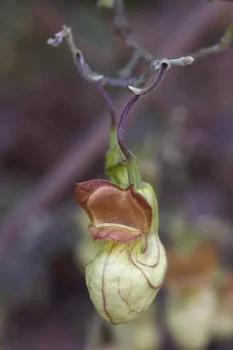
California dutchman’s pipe is a twining, climbing vine that can scramble up fences, trellises, and trees with its long, flexible stems that become woody with age. The plant gets its quirky common name from its distinctive flowers, which look remarkably like tiny tobacco pipes. These burgundy-brown blooms are shaped like curved tubes with flared openings, and they’re absolutely fascinating up close – though you might need to hunt for them since they often hide beneath the heart-shaped leaves.
Speaking of leaves, they’re another standout feature. Large, soft, and distinctly heart-shaped, these green beauties create a lush, tropical-looking backdrop that works beautifully in garden designs where you want to add some drama and texture.
Where Does It Come From?
This California native has been climbing through the state’s coastal areas and foothills for centuries. You’ll find it naturally growing from the San Francisco Bay Area down through Southern California, thriving in the dappled light of oak woodlands and chaparral communities.
- Species observed
- No observations
The Butterfly Connection
Here’s where California dutchman’s pipe becomes truly magical: it’s the exclusive host plant for the stunning pipevine swallowtail butterfly. These gorgeous black butterflies with iridescent blue-green wings can only reproduce on Aristolochia species. The adult butterflies lay their eggs on the vine, and the caterpillars feed exclusively on its leaves. Without plants like California dutchman’s pipe, these beautiful butterflies simply cannot survive.
This specialized relationship makes the plant invaluable for anyone interested in supporting native wildlife and creating habitat for endangered pollinators.
Perfect Garden Roles
California dutchman’s pipe shines in several garden situations:
- Wildlife gardens: Essential for supporting pipevine swallowtail butterflies
- Native plant gardens: Adds authentic California character
- Woodland gardens: Thrives in the dappled shade conditions
- Mediterranean-style landscapes: Fits perfectly with the climate and aesthetic
- Privacy screening: Creates natural, attractive barriers on fences and trellises
Growing Conditions and Care
The good news is that California dutchman’s pipe is relatively easy to grow once you understand its preferences. This vine thrives in USDA hardiness zones 8-10, making it perfect for most of California’s climate zones.
Light requirements: Partial shade to dappled sunlight works best. While it can tolerate some morning sun, protect it from intense afternoon heat.
Soil needs: Well-draining soil is essential. It adapts to various soil types but performs best in rich, organic soil with good drainage.
Water requirements: Moderate water needs. Establish with regular watering, then reduce frequency once established. It’s somewhat drought-tolerant but looks best with occasional deep watering during dry spells.
Planting and Care Tips
Fall planting gives California dutchman’s pipe the best start, allowing roots to establish during the cooler, wetter months. Here are some key tips for success:
- Provide a sturdy support structure – this vine can get quite large and heavy over time
- Mulch around the base to retain moisture and keep roots cool
- Be patient – it may take a year or two to really get going
- Prune lightly after flowering if needed, but remember that heavy pruning removes next year’s butterfly habitat
- Watch for pipevine swallowtail eggs and caterpillars – consider it a sign of success when they show up!
Is California Dutchman’s Pipe Right for Your Garden?
This native vine is an excellent choice if you’re passionate about supporting local wildlife, especially butterflies. It’s perfect for gardeners who want to create authentic California habitat while adding unique visual interest to vertical spaces.
Keep in mind that as a host plant, the leaves will show some chewing damage from caterpillars – but that’s the whole point! If you can embrace the slightly lived-in look that comes with supporting wildlife, you’ll love what this plant brings to your garden.
California dutchman’s pipe proves that native plants can be both beautiful and functional. By choosing this climbing vine, you’re not just adding an interesting plant to your garden – you’re creating habitat, supporting endangered butterflies, and connecting your landscape to California’s natural heritage. Now that’s what I call a win-win-win situation!