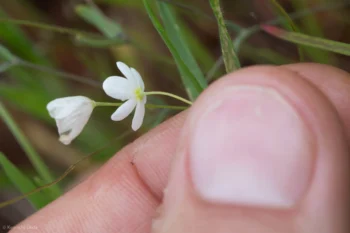
California Fairypoppy: A Tiny Native Gem for Your Garden
If you’re looking for a charming, low-maintenance native plant that adds delicate beauty to your California garden, meet the California fairypoppy (Meconella californica). This petite annual might be small in stature, but it’s big on personality and ecological value. Don’t let its diminutive size fool you – this little native wildflower packs a punch when it comes to supporting local wildlife and creating naturalistic garden scenes.
What Makes California Fairypoppy Special?
California fairypoppy is a true California native, found exclusively within the Golden State’s borders. This annual forb belongs to the poppy family and produces tiny, delicate white flowers that seem to dance above the landscape. As an annual plant, it completes its entire life cycle in one growing season, but don’t worry – it’s excellent at self-seeding, ensuring it returns year after year.
The plant is distributed throughout California’s grasslands and open areas, thriving in the state’s Mediterranean climate. You might also encounter it listed under its former scientific names, Meconella collina or Meconella octandra, but these all refer to the same charming species.
- Species observed
- No observations
Why Choose California Fairypoppy for Your Garden?
There are several compelling reasons to include this native beauty in your landscape:
- True California native: Supporting local ecosystems by choosing plants that evolved in your region
- Low maintenance: Once established, it requires minimal care and water
- Pollinator magnet: The small flowers attract native bees and other beneficial insects
- Self-seeding: Creates natural colonies without your intervention
- Drought tolerant: Perfect for water-wise gardening
Perfect Garden Settings
California fairypoppy shines in several garden scenarios:
- Wildflower meadows: Mix with other native annuals for a naturalistic display
- Native plant gardens: Essential component of authentic California landscapes
- Rock gardens: Its small size makes it perfect for tucking into crevices
- Ground cover areas: Creates delicate carpets in sunny spots
- Naturalized landscapes: Ideal for low-intervention garden areas
Growing California Fairypoppy Successfully
The beauty of this native annual lies in its simplicity. Here’s what you need to know:
Climate and Hardiness
California fairypoppy thrives in USDA hardiness zones 8-10, which encompasses most of California’s climate zones. It’s perfectly adapted to the state’s dry summers and mild, wet winters.
Growing Conditions
Give your California fairypoppy:
- Sunlight: Full sun to partial shade
- Soil: Well-drained soils; adapts to various soil types
- Water: Drought tolerant once established; minimal summer water needed
- Space: Allow room for natural self-seeding
Planting and Care Tips
Success with California fairypoppy is refreshingly straightforward:
- When to plant: Direct seed in fall for spring blooms
- Planting method: Scatter seeds directly in the garden; they prefer not to be transplanted
- Watering: Water gently until germination, then reduce watering
- Maintenance: Minimal care needed; allow plants to self-seed naturally
- Fertilizer: None needed – native soils provide adequate nutrition
Wildlife and Ecological Benefits
While small, California fairypoppy plays an important role in supporting local ecosystems. Its flowers attract small native bees, hover flies, and other beneficial insects that are crucial pollinators for your garden and the broader environment. The plant also provides habitat structure for tiny beneficial insects and spiders.
Is California Fairypoppy Right for Your Garden?
California fairypoppy is an excellent choice if you:
- Want to support native California ecosystems
- Prefer low-maintenance, drought-tolerant plants
- Enjoy delicate, naturalistic garden aesthetics
- Are creating pollinator habitat
- Want plants that self-seed and naturalize
However, it might not be the best fit if you prefer showy, large flowers or need plants for formal garden settings. Its beauty lies in subtlety and ecological function rather than bold visual impact.
Growing California Fairypoppy: The Bottom Line
California fairypoppy proves that sometimes the smallest natives make the biggest difference. This charming annual offers an easy way to support local wildlife while adding delicate beauty to your garden. With minimal care requirements and maximum ecological benefits, it’s a perfect choice for both novice and experienced native plant gardeners. Let this tiny fairy of the plant world work its magic in your California landscape – you’ll be amazed at the life it attracts to your garden.