California False Hellebore: A Dramatic Native with a Dangerous Side
Meet California false hellebore (Veratrum californicum var. californicum), a plant that’s equal parts stunning and sinister. This towering native perennial brings serious architectural drama to Western gardens, but it comes with a warning label that would make even the most adventurous gardener pause.
What Is California False Hellebore?
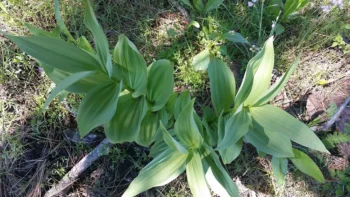
California false hellebore is a perennial forb – essentially a non-woody herbaceous plant – that’s native to the western United States. Despite its common name, it’s not related to true hellebores at all. This impressive plant can shoot up to 6 feet tall, creating bold vertical statements with its large, deeply pleated leaves and towering spikes of creamy white flowers.
Where Does It Grow Naturally?
This western native calls home to a impressive range across the mountain states, naturally occurring in Arizona, California, Idaho, Montana, Nevada, New Mexico, Oregon, Utah, Washington, and Wyoming. You’ll typically find it in moist mountain meadows, along streambanks, and in subalpine regions where cool temperatures and abundant moisture create ideal growing conditions.
- Species observed
- No observations
The Beauty and the Beast Factor
Let’s start with the good news: California false hellebore is absolutely spectacular when in bloom. The plant produces dramatic architectural foliage that looks almost tropical, with large, ribbed leaves that create bold texture in the garden. In summer, tall flower spikes emerge, covered in hundreds of small, creamy white flowers that attract pollinators and create stunning focal points.
Now for the not-so-good news: every part of this plant is highly toxic to humans and animals. We’re talking seriously poisonous here – even touching the plant can cause skin irritation for some people, and ingesting any part can be fatal. This isn’t a plant for gardens frequented by children or pets.
Should You Plant California False Hellebore?
This is where things get complicated. If you’re an experienced gardener with a secure, adults-only garden space, California false hellebore can be an incredible addition. It’s perfect for:
- Creating dramatic focal points in woodland gardens
- Adding height and structure to moisture-loving plant combinations
- Naturalizing in mountain-style landscapes
- Providing architectural interest in shaded, wet areas where few other plants thrive
However, if you have children, pets, or livestock that might access your garden, this plant is definitely not worth the risk. The toxicity issue is simply too serious to ignore.
Growing Conditions and Care
If you decide to take on this challenging beauty, California false hellebore thrives in USDA hardiness zones 3-8. Here’s what it needs to flourish:
Light: Partial shade to full sun, though it appreciates some afternoon shade in hotter climates
Soil: Rich, organic, consistently moist to wet soil. Think mountain meadow conditions – never completely dry
Water: This is a moisture-loving plant that needs consistent watering. It’s actually well-suited to areas that might be too wet for other perennials
Temperature: Prefers cooler conditions and may struggle in hot, humid climates
Planting and Care Tips
California false hellebore isn’t exactly a beginner’s plant, but with the right conditions, it can be incredibly rewarding:
- Plant in spring when soil can be worked
- Choose a spot with consistent moisture – near water features or in naturally wet areas
- Mulch heavily to retain moisture and keep roots cool
- Be patient – this plant is slow to establish and may take several years to reach full size
- Always wear gloves when handling and wash hands thoroughly afterward
- Mark the planting area clearly to prevent accidental contact
Wildlife and Pollinator Benefits
Despite its toxicity to mammals, California false hellebore does provide benefits to certain wildlife. The flowers attract various pollinators, particularly flies and beetles, though bees tend to avoid them. The plant’s toxicity actually helps protect it from browsing animals, allowing it to thrive in areas where deer and elk pressure might eliminate other plants.
The Bottom Line
California false hellebore is undeniably beautiful and brings unique architectural presence to the right garden setting. As a native plant, it supports local ecosystems and provides habitat for specialized pollinators. However, the serious toxicity concerns mean this plant isn’t suitable for every garden or every gardener.
If you’re experienced with potentially dangerous plants, have a secure garden space, and can provide the consistently moist conditions it craves, California false hellebore might be an incredible addition to your landscape. Just remember: beauty this dramatic often comes with strings attached – in this case, some very serious safety considerations.