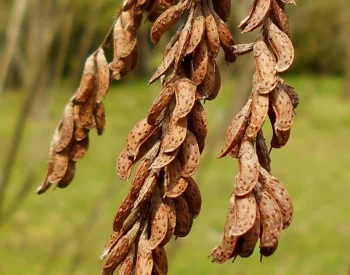
California False Indigo: A Hidden Gem for Water-Wise Gardens
If you’re looking for a stunning native shrub that laughs in the face of drought while throwing a party for pollinators, meet California false indigo (Amorpha californica). This unsung hero of the plant world deserves a spot in every water-conscious gardener’s heart—and landscape.
What Exactly Is California False Indigo?
California false indigo is a perennial, multi-stemmed woody shrub that typically grows 4-13 feet tall, though it can surprise you by reaching up to 16 feet under the right conditions. Don’t let the false in its name fool you—there’s nothing fake about this plant’s beauty or benefits. It’s a genuine native of the southwestern United States, calling California and Arizona home.
- Species observed
- No observations
This hardy shrub belongs to the legume family and has that classic compound leaf structure that gives it an elegant, feathery appearance. But the real showstopper comes in spring when dense clusters of fragrant, deep purple-blue flowers appear, creating a spectacular display that’ll have your neighbors asking, What is that gorgeous plant?
Why Your Garden Needs This Native Beauty
Here’s where California false indigo really shines as a garden superstar:
- Drought tolerance: Once established, this tough customer can handle dry conditions like a champ
- Pollinator magnet: Native bees, butterflies, and other beneficial insects can’t resist those fragrant flower spikes
- Low maintenance: Perfect for gardeners who want maximum impact with minimal fuss
- Erosion control: Excellent for slopes and areas where you need reliable ground stabilization
- Native credibility: Supporting local ecosystems while creating beautiful landscapes
Where Does It Fit in Your Landscape?
California false indigo is incredibly versatile and works beautifully in several garden styles:
- Native plant gardens: A natural choice that pairs well with other southwestern natives
- Xeriscape designs: Perfect for water-wise landscaping that doesn’t sacrifice beauty
- Wildlife gardens: Creates habitat and food sources for local fauna
- Mediterranean-style landscapes: Complements the drought-tolerant aesthetic perfectly
Growing California False Indigo Successfully
The beauty of this shrub lies in its easy-going nature. Here’s how to keep your California false indigo happy:
Growing Conditions
- Sunlight: Full sun to partial shade (though it flowers best in full sun)
- Soil: Well-draining soil is key—it tolerates poor soils but not soggy feet
- Water: Regular water during establishment, then drought-tolerant
- Climate: Thrives in USDA hardiness zones 8-10
Planting and Care Tips
- Plant in fall or early spring for best establishment
- Water regularly the first year, then reduce to occasional deep watering
- Prune lightly after flowering if you want to maintain shape
- Mulch around the base to conserve moisture and suppress weeds
- Be patient—young plants may take a season or two to really hit their stride
Special Considerations
California false indigo has interesting wetland characteristics that make it adaptable to various moisture conditions. In arid regions, it can handle both wet and dry situations, while in mountainous and coastal areas, it typically prefers drier conditions but can tolerate some moisture. This flexibility makes it an excellent choice for gardens with varying water availability.
The Bottom Line
California false indigo proves that native plants don’t have to be boring. With its stunning spring flowers, drought tolerance, and wildlife benefits, it’s a smart choice for gardeners who want to create beautiful, sustainable landscapes. Plus, there’s something deeply satisfying about growing a plant that truly belongs in your local ecosystem.
Whether you’re creating a water-wise garden from scratch or looking to add some native flair to your existing landscape, California false indigo deserves serious consideration. Your local pollinators will thank you, your water bill will thank you, and your garden will look absolutely stunning.