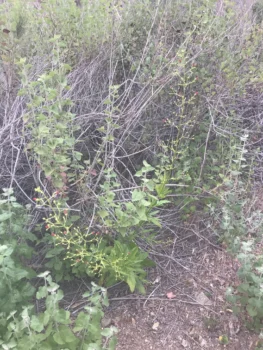
California Figwort: A Quirky Native That Wildlife Absolutely Loves
If you’re looking for a native California plant that marches to the beat of its own drum, meet California figwort (Scrophularia californica). This perennial herb might not win any beauty contests with its unusual reddish-brown flowers, but what it lacks in conventional charm, it more than makes up for in wildlife appeal and drought tolerance.
What Exactly Is California Figwort?
California figwort is a native perennial forb – essentially a non-woody plant that comes back year after year. Don’t let the herb classification fool you though; this isn’t something you’d want to sprinkle on your pasta. Instead, think of it as nature’s version of an architectural statement plant, growing tall and sturdy without any woody stems to speak of.
This native beauty calls California home, where it has been thriving long before any of us started worrying about water restrictions or pollinator gardens. It’s a true California original, perfectly adapted to the Golden State’s unique climate and conditions.
- Species observed
- No observations
Why Your Garden (and Local Wildlife) Will Thank You
Here’s where California figwort really shines – it’s like a five-star restaurant for pollinators. Those quirky little flowers that might look odd to us are absolutely irresistible to bees, butterflies, and hummingbirds. The plant typically reaches 3-6 feet tall with a similar spread, creating a substantial presence in the garden that wildlife can’t ignore.
The flowers appear in tall, branching spikes during summer, offering a steady nectar source when many other plants are taking a break from blooming. While the individual flowers are small and brownish-red (definitely unique!), they’re packed with the good stuff that keeps our pollinator friends happy and healthy.
Where California Figwort Feels at Home
This adaptable native is surprisingly flexible when it comes to moisture levels. According to wetland classifications, it can handle both wet and dry conditions depending on your region, though it generally prefers the drier side once established. This makes it perfect for:
- Native plant gardens
- Drought-tolerant landscapes
- Wildlife and pollinator gardens
- Naturalistic plantings
- Background areas where you want structure without fuss
Growing California Figwort Successfully
The good news? California figwort is refreshingly low-maintenance. It thrives in USDA hardiness zones 8-10, which covers most of California and similar Mediterranean climates. Here’s how to keep it happy:
Light and Location: Give it full sun to partial shade. It’s not picky, but it’ll be most robust with at least 6 hours of sunlight daily.
Soil Needs: Well-draining soil is key. It doesn’t need rich, amended soil – in fact, it often performs better in average to poor soils that drain well. Clay that stays soggy will make it unhappy.
Watering: Here’s the beauty of native plants – once established (usually after the first year), California figwort becomes quite drought tolerant. Water deeply but infrequently, allowing the soil to dry between waterings.
Maintenance: Cut the spent flower stalks back after blooming if you want to keep things tidy, or leave them for wildlife to enjoy the seeds. In late winter, you can cut the whole plant back to encourage fresh growth.
The Bottom Line
California figwort might not be the showiest plant in your garden, but it’s definitely one of the most valuable for local ecosystems. If you’re building a native garden, creating habitat for wildlife, or simply want a low-maintenance perennial that actually belongs in your landscape, this quirky native deserves serious consideration.
Plus, there’s something satisfying about growing a plant that’s been perfectly content in California soil for thousands of years. It knows how to handle our dry summers, occasional wet winters, and everything in between – which is more than we can say for a lot of garden plants!