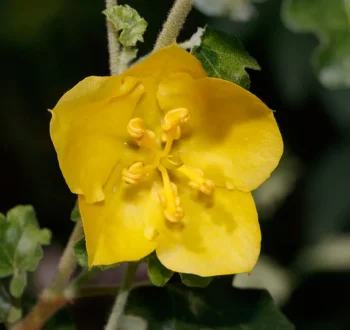
California Flannelbush: A Golden Star for Drought-Tolerant Gardens
If you’re looking for a showstopping native plant that laughs in the face of drought while putting on a spectacular floral display, meet the California flannelbush (Fremontodendron californicum). This remarkable shrub is like nature’s own fireworks show, exploding with brilliant yellow blooms that can light up your garden from spring through summer.
What Makes California Flannelbush Special?
The California flannelbush is a true native treasure, naturally occurring across California, Oregon, and Arizona. As a perennial shrub, it’s built for the long haul, typically reaching 6-10 feet in height with a moderate growth rate. What really sets this plant apart is its incredible drought tolerance and those absolutely stunning bright yellow, cup-shaped flowers that appear when many other plants are calling it quits.
The common name flannelbush comes from the soft, fuzzy texture of its leaves, which feel remarkably similar to flannel fabric. These gray-green leaves provide an attractive backdrop year-round, while the plant’s multiple-stemmed growth habit creates a full, bushy appearance that works beautifully as a specimen plant or grouped with other natives.
Where Does It Grow Naturally?
California flannelbush thrives in the chaparral and oak woodland regions of California, with populations extending into southern Oregon and Arizona. It’s perfectly adapted to the Mediterranean climate of these regions, where wet winters are followed by long, dry summers.
- Species observed
- No observations
Perfect for Mediterranean and Xeriscape Gardens
This native beauty is tailor-made for several garden styles:
- Mediterranean gardens where drought tolerance is essential
- Xeriscape landscapes focused on water conservation
- Native plant gardens celebrating regional flora
- Wildlife gardens supporting local pollinators
- Slope plantings for erosion control
The California flannelbush serves as an excellent specimen plant, drawing attention with its golden blooms, or works well in mass plantings for dramatic impact. Its moderate size makes it perfect for medium to large gardens where you want year-round structure with seasonal pizzazz.
A Pollinator Magnet
Those cheerful yellow flowers aren’t just pretty to look at—they’re absolutely beloved by native bees and other pollinators. The abundant pollen provides crucial food resources, making this shrub a valuable addition to any wildlife-friendly garden.
Growing Conditions: Less is More
Here’s where California flannelbush really shines—it’s remarkably low-maintenance once you understand its needs:
- Sunlight: Full sun is essential for best flowering
- Soil: Well-draining soil is absolutely critical; avoid clay or poorly draining areas
- Water: High drought tolerance once established; minimal summer irrigation needed
- Climate: Hardy in USDA zones 8-10, can handle temperatures down to about 23°F
- pH: Prefers neutral to slightly alkaline soil (pH 7.0-7.5)
Planting and Care Tips for Success
Planting: The key to success with California flannelbush is excellent drainage. If your soil tends to stay wet, consider planting on a slope or creating a raised bed. Spring planting gives the best establishment results.
Watering: Water regularly the first year to establish roots, then dramatically reduce watering. Too much summer water can actually harm this drought-adapted native.
Pruning: Light pruning after the flowering period helps maintain shape and can encourage more blooms. The plant has good resprout ability if heavier pruning is needed.
Fertilizing: This low-maintenance native has minimal fertility requirements—in fact, too much fertilizer can reduce flowering.
Propagation Options
California flannelbush can be grown from seed (though cold stratification is required), cuttings, or purchased as container plants. Seeds are moderately abundant and typically available from specialty native plant suppliers.
Why Choose California Flannelbush?
If you’re gardening in zones 8-10 and want a stunning native that delivers big impact with minimal input, California flannelbush checks all the boxes. It supports local wildlife, conserves water, provides spectacular seasonal color, and once established, pretty much takes care of itself. Just remember: good drainage is non-negotiable, and less water equals more flowers.
This golden beauty proves that sometimes the best garden plants are the ones that have been thriving in your region for thousands of years—they just know how to make themselves at home.