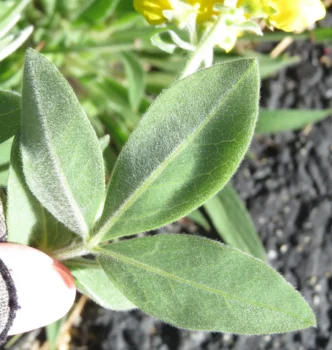
California Goldenbanner: A Rare Native Gem Worth Protecting
Meet California goldenbanner (Thermopsis californica var. semota), a perennial wildflower that’s as rare as it is beautiful. This native California plant belongs to the pea family and represents one of nature’s more elusive treasures in the Golden State’s botanical landscape.
What Makes California Goldenbanner Special
California goldenbanner is a herbaceous perennial forb, meaning it’s a non-woody plant that dies back to the ground each winter and returns from its roots each spring. As a member of the legume family, it shares characteristics with other pea-family plants, likely producing clusters of bright yellow, pea-like flowers that give it the goldenbanner name.
Where You’ll Find This Rare Beauty
This plant is endemic to California, meaning it grows nowhere else on Earth naturally. Its limited distribution makes it a true California native that has evolved specifically for the unique conditions found within the state’s diverse ecosystems.
- Species observed
- No observations
Conservation Status: Handle With Care
Here’s something important every gardener should know: California goldenbanner has a Global Conservation Status of S3T2, indicating it’s quite rare. This means if you’re lucky enough to encounter this plant or want to grow it, you’ll need to be extra thoughtful about sourcing.
If you want to grow California goldenbanner:
- Only purchase from reputable native plant nurseries that can verify responsible sourcing
- Never collect seeds or plants from wild populations
- Consider it a conservation effort as much as a gardening project
- Check with local native plant societies for guidance on availability
Growing California Goldenbanner
Unfortunately, detailed growing information specific to this variety is limited due to its rarity. However, as a California native perennial forb, it likely prefers:
- Well-draining soil (most California natives dislike soggy feet)
- Minimal summer water once established
- Full sun to partial shade conditions
- Protection from strong winds in exposed locations
Since this plant belongs to the legume family, it may have the ability to fix nitrogen in the soil through root bacteria, potentially benefiting neighboring plants.
Why Consider This Rare Native?
Growing California goldenbanner isn’t just about adding another plant to your garden—it’s about participating in conservation. When you choose rare natives like this one, you’re:
- Supporting biodiversity in your local ecosystem
- Creating habitat for native pollinators and wildlife
- Preserving California’s unique botanical heritage
- Reducing the need for water and fertilizers compared to non-native alternatives
The Bottom Line
California goldenbanner is a plant for the dedicated native gardener who values conservation as much as beauty. While it may not be the easiest plant to find or grow, its rarity makes it a special addition to native plant collections. If you’re interested in growing this species, connect with local native plant societies, botanical gardens, or specialized native nurseries who can guide you toward responsibly sourced plants.
Remember, every rare native plant we successfully cultivate in our gardens is a small victory for conservation—and California goldenbanner definitely qualifies as a plant worth protecting for future generations.