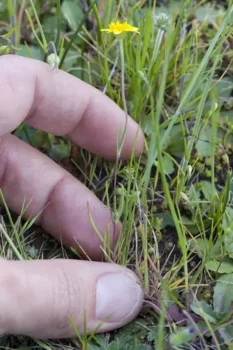
California Goldfields: A Golden Carpet for Your Native Garden
If you’ve ever dreamed of rolling hills painted in brilliant gold, then California goldfields (Lasthenia californica) might just be the plant to make that dream a reality in your own backyard. This cheerful native wildflower transforms landscapes into stunning displays of sunshine-colored blooms that’ll have your neighbors wondering if you’ve struck it rich!
What Are California Goldfields?
California goldfields are native annual and perennial forbs that belong to the sunflower family. Don’t let the fancy botanical term forb intimidate you – it simply means these are non-woody flowering plants that die back to ground level. Think of them as nature’s way of creating temporary masterpieces that return year after year through their remarkable ability to self-seed.
Where Do They Call Home?
These golden beauties are true natives to the lower 48 states, with their primary stomping grounds being the western regions. You’ll find wild populations flourishing across Arizona, California, Massachusetts, New Mexico, and Oregon. Their adaptability to different regional conditions makes them excellent candidates for gardens far beyond their native range.
- Species observed
- No observations
Why Your Garden Will Love California Goldfields
California goldfields bring more to your landscape than just good looks (though they’ve certainly got that covered). Here’s why they deserve a spot in your native plant garden:
- Pollinator magnet: Bees, butterflies, and beneficial insects can’t resist their bright, nectar-rich flowers
- Low maintenance: Once established, these drought-tolerant plants practically take care of themselves
- Natural ground cover: They create beautiful carpets of color that suppress weeds
- Extended bloom time: Enjoy months of golden displays from spring through early summer
- Self-seeding: They’ll naturalize and return year after year with minimal effort from you
Perfect Garden Companions
California goldfields shine brightest in wildflower meadows, native plant gardens, and xeriscape designs. They’re particularly stunning when planted en masse, creating those famous sheets of gold that California is known for. These versatile plants also work beautifully in:
- Rock gardens and dry slopes
- Naturalized areas where you want a casual, meadow-like feel
- Edges of native plant borders
- Areas where you’re transitioning from cultivated to wild spaces
Growing Conditions: Keep It Simple
The beauty of California goldfields lies in their simplicity. These plants thrive in conditions that would stress out more finicky garden residents:
- Sunlight: Full sun is their preference – the more, the better
- Soil: Well-draining soil is essential; they’re not picky about soil type but hate soggy feet
- Water: Drought tolerant once established, but appreciate occasional deep watering during dry spells
- Climate: Hardy in USDA zones 7-10, perfect for mild winter areas
Wetland Status: Keeping Their Feet Dry
California goldfields prefer to keep their roots on the drier side. They’re classified as Obligate Upland in most regions, meaning they almost never occur in wetlands. In the Arid West, they have slightly more tolerance for occasional moisture but still prefer well-draining upland conditions. This makes them perfect for those challenging dry spots in your garden where other plants struggle.
Planting and Care: Less Really Is More
Growing California goldfields is refreshingly straightforward – sometimes the best gardening approach is to get out of nature’s way!
Getting Started:
- Direct seed in fall for spring blooms (they need that winter chill)
- Scatter seeds over prepared soil and lightly rake in
- Water gently until germination, then reduce watering
- Thin seedlings if they’re too crowded (though they often sort themselves out)
Ongoing Care:
- Water sparingly once established – overwatering can actually harm them
- Deadhead spent blooms to encourage more flowering (or leave them to self-seed)
- Allow plants to complete their life cycle for natural reseeding
- Minimal to no fertilization needed – they prefer lean conditions
The Bottom Line
California goldfields are the perfect choice for gardeners who want maximum visual impact with minimal fuss. Whether you’re creating a drought-tolerant landscape, supporting native pollinators, or simply want to add a splash of sunshine to your garden, these golden beauties deliver on all fronts. Plus, there’s something deeply satisfying about growing a plant that’s perfectly adapted to your local conditions – it’s like partnering with nature rather than fighting against it.
So why not give California goldfields a try? Your garden (and the local bee population) will thank you for it!