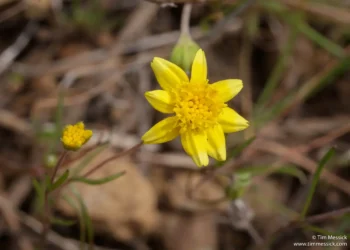
California Goldfields: The Native Wildflower That Turns Your Garden Into Liquid Sunshine
Imagine walking through your garden in early spring and being greeted by waves of brilliant golden-yellow flowers that seem to glow in the morning light. That’s the magic of California goldfields (Lasthenia californica californica), a charming native annual that transforms ordinary landscapes into spectacular displays of color.
What Are California Goldfields?
California goldfields are native annual wildflowers belonging to the sunflower family. As a forb—essentially a non-woody flowering plant—these beauties complete their entire life cycle in one growing season, but what a show they put on! Don’t let their delicate appearance fool you; these hardy natives have been painting the western landscape golden for thousands of years.
This plant goes by the scientific name Lasthenia californica californica, and you might occasionally see it listed under several historical names including Baeria chrysostoma or Lasthenia chrysostoma in older gardening references.
Where Do They Naturally Grow?
California goldfields are true natives of the western United States, with their strongest populations in California’s Central Valley and coastal regions. You’ll also find them naturally occurring in Arizona, Oregon, New Mexico, and interestingly, they’ve established populations as far east as Massachusetts. Their native range tells us a lot about their adaptability and resilience.
- Species observed
- No observations
Why Plant California Goldfields in Your Garden?
There are plenty of compelling reasons to welcome these golden beauties into your landscape:
- Spectacular spring display: Few plants can match the breathtaking carpet of gold that California goldfields create when they bloom en masse
- Low maintenance: As natives, they’re perfectly adapted to local conditions and require minimal care once established
- Pollinator magnet: Bees, butterflies, and other beneficial insects flock to their nectar-rich flowers
- Drought tolerant: Perfect for water-wise gardening and sustainable landscapes
- Self-seeding: They’ll return year after year if you let some flowers go to seed
- Supports local ecosystem: Native plants support native wildlife in ways non-natives simply cannot
Perfect Garden Settings
California goldfields shine brightest in:
- Native plant gardens and naturalized areas
- Wildflower meadows and prairie restorations
- Low-maintenance landscapes
- Drought-tolerant and xeriscaped gardens
- Slopes and areas with poor soil where other plants struggle
- Children’s gardens (they’re safe and fun to grow from seed)
Growing Conditions and Care
The beauty of California goldfields lies in their simplicity. These adaptable natives thrive in conditions that would challenge many garden plants:
Sunlight: Full sun is essential for the best flowering display
Soil: They actually prefer poor, well-draining soils and can struggle in rich, amended garden beds
Water: Drought-tolerant once established, though they appreciate some moisture during their growing season
Climate: Best suited for USDA hardiness zones 8-10, matching their native range
Planting and Care Tips
Growing California goldfields is refreshingly straightforward:
When to Plant: Direct seed in fall (October through December) for spring blooms. Fall planting allows seeds to experience the natural cold stratification they need.
How to Plant: Scatter seeds directly onto prepared soil and rake lightly. Don’t bury them deeply—these seeds need light to germinate.
Spacing: Don’t worry too much about spacing—nature will sort it out, and dense plantings create the most dramatic displays.
Watering: Water gently after planting and during dry spells in their first growing season. Once established, they can handle significant drought.
Maintenance: The best part? There’s almost nothing to do! Let some flowers go to seed for next year’s display, and mow or cut back after seeds have dispersed if desired.
A Few Things to Keep in Mind
While California goldfields are generally problem-free, here are a few considerations:
- They’re annuals, so don’t expect the same plants to return—but their seeds will create new ones
- In rich soils, they may produce more foliage and fewer flowers
- They have a relatively short bloom period (typically 6-8 weeks in spring)
- Consider pairing them with other natives that bloom at different times for extended color
The Bottom Line
California goldfields offer everything a gardener could want: stunning beauty, ecological benefits, and practically zero maintenance. Whether you’re creating a native plant showcase, establishing a pollinator garden, or simply want to add some authentic California charm to your landscape, these golden natives deliver in spectacular fashion.
In a world of high-maintenance exotic plants, California goldfields remind us that sometimes the most beautiful gardens are those that work with nature rather than against it. Plant some this fall, and come spring, you’ll understand why entire valleys were named after these magnificent golden displays.