California Grass of Parnassus: A Rare Mountain Jewel Worth Protecting
Meet California grass of Parnassus (Parnassia californica), a charming little perennial that proves not all garden-worthy plants should actually end up in your garden. This delicate wildflower is one of those special natives that’s better admired from afar – and here’s why.
What Makes This Plant Special
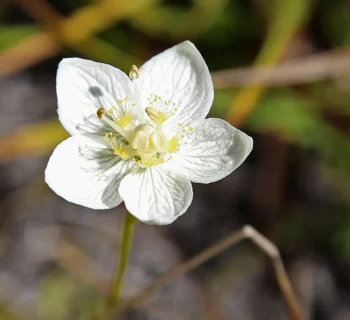
Don’t let the name fool you – California grass of Parnassus isn’t actually a grass at all! It’s a herbaceous perennial forb with heart-shaped leaves that form neat little rosettes at the base. The real showstoppers are its pristine white flowers, each one adorned with delicate green veins that look like nature’s own watercolor artwork. These blooms appear on slender stalks that rise above the foliage, creating an almost ethereal display in late summer.
This plant belongs to a group of species that were once associated with the mythical Mount Parnassus in Greece, though our California version is decidedly more down-to-earth in its habitat preferences.
Where You’ll Find It Growing Wild
California grass of Parnassus calls the western United States home, specifically thriving in California, Nevada, and Oregon. You’ll typically spot it in mountain meadows, along stream banks, and in other moist, cool locations throughout these states.
- Species observed
- No observations
A Word of Caution: Rarity Matters
Here’s where things get important for responsible gardeners. This lovely plant has a conservation status of S3S4, which means it’s considered somewhat rare and potentially vulnerable. While it’s not critically endangered, it’s not exactly common either. This rarity status is a red flag that should make any ethical gardener pause before considering it for their landscape.
Why Most Gardens Aren’t the Right Fit
Even if you could source this plant responsibly, California grass of Parnassus has some pretty specific needs that make it challenging for typical home gardens:
- Requires consistently moist to wet soil conditions
- Prefers cool temperatures and partial shade
- Thrives in USDA hardiness zones 4-8, particularly in mountain regions
- Needs alkaline soil conditions that many gardens don’t naturally provide
- Has a slow growth rate and can be finicky about transplanting
This isn’t a plant that will happily adapt to your average suburban flower bed. It evolved for very specific conditions and tends to sulk (or worse) when those conditions aren’t met.
Its Role in Nature
In its natural habitat, California grass of Parnassus serves as a pollinator magnet, particularly attracting small flies and other insects with its nectar-rich flowers. The plant plays an important role in mountain and wetland ecosystems, contributing to the biodiversity that makes these areas special.
Better Ways to Appreciate This Beauty
Rather than trying to grow California grass of Parnassus in your garden, consider these alternatives:
- Visit natural areas where it grows wild during its blooming season
- Support conservation organizations working to protect its native habitats
- Choose more readily available native alternatives for your garden that provide similar aesthetic appeal
- If you’re creating a specialized bog or alpine garden, work with reputable native plant societies to ensure any specimens are ethically and sustainably sourced
The Bottom Line
California grass of Parnassus is undoubtedly a stunning native plant that deserves our admiration and respect. However, its rarity and specialized growing requirements make it better suited for protection in its natural habitats rather than cultivation in home gardens. Sometimes the most responsible thing we can do as gardeners is to appreciate nature’s beauty where it naturally occurs and choose more suitable native alternatives for our own landscapes.
By leaving rare plants like this one in their native environments, we help ensure that future generations will also have the chance to discover these mountain jewels in the wild – which is really where they shine brightest.