California Hesperochiron: A Hidden Gem for Western Native Gardens
If you’re looking for a charming native wildflower that won’t demand constant attention, California hesperochiron (Hesperochiron californicus) might just be your new garden buddy. This unassuming little perennial forb brings delicate beauty to western landscapes while supporting local ecosystems – and it’s tougher than it looks!
What is California Hesperochiron?
California hesperochiron is a native perennial forb – basically a non-woody flowering plant that comes back year after year. Don’t let the California in its name fool you; this adaptable native actually calls eight western states home. It’s part of that wonderful group of plants that knows how to thrive in the sometimes-challenging conditions of the American West.
Where Does It Grow Naturally?
This hardy native has quite the range! You’ll find California hesperochiron growing naturally across California, Idaho, Montana, Nevada, Oregon, Utah, Washington, and Wyoming. It’s particularly at home in montane and subalpine environments, where it has learned to handle everything from hot, dry summers to snowy winters.
- Species observed
- No observations
Why You’ll Love This Plant
California hesperochiron offers several compelling reasons to earn a spot in your native garden:
- Native credentials: As a true western native, it supports local wildlife and fits naturally into regional ecosystems
- Low-maintenance lifestyle: Once established, it’s remarkably drought-tolerant and requires minimal care
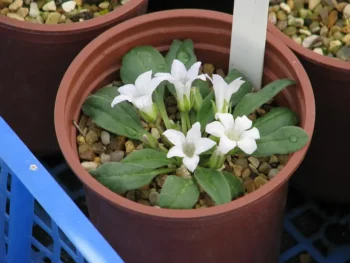
- Delicate beauty: Small white to pale blue flowers create a subtle, elegant display in spring
- Pollinator magnet: Native bees and flies appreciate its nectar offerings
- Versatile placement: Works beautifully in rock gardens, alpine gardens, and xeric landscapes
Garden Design Ideas
California hesperochiron shines as a ground cover in rock gardens and alpine settings. Its low-growing rosette form makes it perfect for tucking between stones or using as a living carpet in areas where you want something more interesting than bare soil. It’s also an excellent choice for xeric (dry) landscaping projects where you need plants that can handle water restrictions.
This plant typically grows in a compact rosette form, staying relatively low to the ground – perfect for foreground plantings or as an understory companion to taller native shrubs and perennials.
Growing Conditions and Care
The good news? California hesperochiron isn’t particularly fussy once you understand its basic needs:
- Sunlight: Full sun to partial shade
- Soil: Well-draining soil is absolutely essential – this plant hates wet feet
- Water: Drought-tolerant once established; prefers dry summers
- Hardiness: Thrives in USDA zones 4-8
- Wetland status: Classified as Facultative Upland, meaning it usually prefers non-wetland conditions
Planting and Care Tips
Success with California hesperochiron comes down to one key factor: drainage. Here’s how to set your plants up for success:
- Plant in spring or fall for best establishment
- Ensure excellent drainage – amend heavy soils with gravel or sand if needed
- Water regularly during the first growing season, then back off significantly
- Avoid overwatering, especially during summer dormancy periods
- No fertilizer needed – this plant prefers lean conditions
- Minimal pruning required; just remove spent flowers if desired
Wildlife and Pollinator Benefits
While California hesperochiron might look delicate, it’s a valuable contributor to native ecosystems. Small native bees and flies visit its flowers for nectar, helping to support the complex web of pollinators that western landscapes depend on. By choosing native plants like this one, you’re creating habitat that indigenous wildlife recognizes and can actually use.
Is California Hesperochiron Right for Your Garden?
This native beauty is ideal if you:
- Live in the western United States (zones 4-8)
- Want to support native wildlife and pollinators
- Prefer low-maintenance plants
- Have well-draining soil or are willing to improve drainage
- Appreciate subtle, natural beauty over flashy displays
- Are creating a rock garden, alpine garden, or xeric landscape
California hesperochiron might not be the showiest plant in your garden, but it brings that quiet, understated charm that makes native gardens so special. Plus, you can feel good knowing you’re growing something that truly belongs in your local ecosystem – and your local pollinators will thank you for it!