California Indigobush: A Drought-Loving Native That Delivers Purple Power
If you’re looking for a tough-as-nails native shrub that can handle California’s dry spells while serving up stunning purple blooms, meet your new garden buddy: the California indigobush (Psorothamnus arborescens var. simplifolius). This perennial powerhouse is like that reliable friend who always shows up looking great, even when things get a little rough around the edges.
What Makes California Indigobush Special?
California indigobush is a true California native, naturally occurring throughout the Golden State’s drier regions. As a member of the pea family, this shrub knows how to make the most of challenging conditions. It’s a multi-stemmed woody plant that typically stays under 13-16 feet tall, making it a perfect fit for residential landscapes where you want impact without overwhelming your space.
You might also encounter this plant listed under its former scientific names, including Dalea californica or Dalea fremontii var. simplifolia – botanists love to shuffle names around, but the plant remains just as wonderful regardless of what they call it!
Where Does It Grow?
This native beauty calls California home, thriving in the state’s diverse landscapes from desert regions to chaparral. It’s perfectly adapted to the Mediterranean climate that defines much of California, making it an ideal choice for gardeners who want to work with nature rather than against it.
- Species observed
- No observations
Why Your Garden (and Local Wildlife) Will Love It
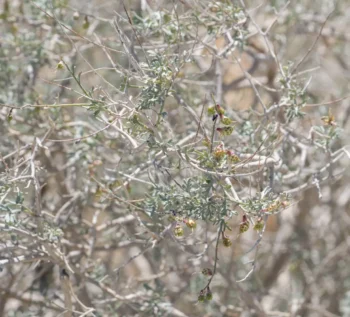
California indigobush brings serious curb appeal with its silvery-gray foliage that provides year-round interest, topped off by clusters of vibrant purple-blue flowers in spring. But the beauty goes beyond looks – this shrub is a pollinator magnet, attracting bees and butterflies that help keep your garden ecosystem humming along nicely.
Here’s what makes it a smart choice for your landscape:
- Extremely drought tolerant once established
- Low maintenance requirements
- Attractive to beneficial pollinators
- Year-round visual interest
- Perfect for water-wise landscaping
Where to Use California Indigobush in Your Landscape
This versatile shrub shines in several garden settings. It’s absolutely perfect for xeriscape and drought-tolerant gardens, where its water-wise nature makes it a star performer. Use it as a focal point in native plant gardens, or incorporate it into mixed borders where you need a reliable, low-water option.
California indigobush also works beautifully in wildlife gardens, where its pollinator-friendly flowers and natural growth habit provide both food and shelter for local fauna. Consider it for slopes or areas where you need erosion control with style.
Growing California Indigobush Successfully
Climate Considerations: This plant thrives in USDA hardiness zones 9-11, making it suitable for most of California and similar Mediterranean climates.
Sun and Soil: Give your California indigobush full sun and well-draining soil. This plant absolutely cannot tolerate soggy conditions, so good drainage is non-negotiable. Sandy or rocky soils are actually perfect – this isn’t a plant that needs pampering!
Watering Wisdom: Here’s where California indigobush really shines. Once established (usually after the first year), it needs very little supplemental water. During establishment, provide regular watering, but once those roots are settled, you can step back and let nature take the wheel.
Planting and Care Tips
Fall is your best friend when it comes to planting California indigobush. This timing allows the plant to establish its root system during the cooler, moister months before facing its first summer heat.
Here are the key care points to remember:
- Plant in fall for best establishment
- Water regularly during the first year, then reduce dramatically
- Prune lightly after flowering to maintain shape if desired
- Avoid fertilizers – this plant prefers lean conditions
- Mulch around the base to conserve moisture and suppress weeds
Is California Indigobush Right for Your Garden?
If you’re dealing with dry conditions, want to support local wildlife, and appreciate a plant that delivers beauty without demanding constant attention, California indigobush could be your perfect match. It’s especially ideal for gardeners who are transitioning to more sustainable, water-wise landscaping.
However, if you prefer lush, tropical-style gardens that require regular watering, or if you’re gardening in areas with heavy clay soil and poor drainage, you might want to consider other options. This plant really does best when you let it be the drought-tolerant beauty it was born to be.
California indigobush proves that native doesn’t mean boring – sometimes it means finding a plant that’s perfectly suited to your local conditions and ready to thrive with minimal fuss. Now that’s what we call a win-win!