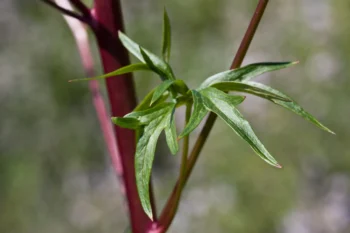
California Larkspur: A Rare Native Beauty Worth Protecting
Meet California larkspur (Delphinium californicum interius), a charming native perennial that deserves a spot in your conservation-minded gardening plans. This lesser-known member of the buttercup family represents the kind of botanical treasure that makes California’s flora so special – and so worth preserving.
What Makes California Larkspur Special
California larkspur is what botanists call a forb – essentially a fancy way of saying it’s an herbaceous perennial without woody stems. Think of it as the perfect middle ground between delicate annuals and sturdy shrubs. This native beauty has been quietly gracing California’s landscapes long before any of us started thinking about native plant gardening.
You might also see this plant listed under its synonym Delphinium californicum Torr. & A. Gray var. interius Eastw., but don’t let the tongue-twisting scientific names scare you off. At its heart, this is simply a beautiful California native that belongs in our gardens.
Where You’ll Find It Growing Wild
California larkspur is endemic to California, meaning you won’t find it growing naturally anywhere else on Earth. This makes it a true Golden State original – something every California gardener can take pride in growing.
- Species observed
- No observations
A Word of Caution: Rarity Matters
Here’s where things get serious for a moment. California larkspur carries a Global Conservation Status of S3T2?, which signals some uncertainty about its population stability. While this doesn’t mean it’s on the brink of extinction, it does mean we need to be thoughtful about how we source and grow this plant.
If you’re interested in growing California larkspur, please ensure you’re getting it from reputable native plant nurseries that propagate their own stock rather than wild-collecting. This way, you can enjoy this native beauty in your garden while helping protect wild populations.
Why Consider California Larkspur for Your Garden
As a native California perennial, this larkspur offers several compelling reasons to find space for it in your landscape:
- True native status: Supporting local ecosystems by growing plants that evolved right here
- Perennial reliability: Once established, it should return year after year
- Conservation value: You’ll be helping preserve a piece of California’s natural heritage
- Low-maintenance potential: Native plants typically require less water and care once established
Growing California Larkspur Successfully
Unfortunately, specific growing information for this particular variety of California larkspur is limited in readily available sources. However, if you’re lucky enough to source this rare native, here are some general guidelines that typically apply to California native larkspurs:
- Plant in fall for best establishment
- Choose a location with good drainage
- Provide some protection from intense afternoon sun
- Water deeply but infrequently once established
- Allow the plant to go dormant naturally in summer
The Bottom Line
California larkspur represents the kind of native plant that makes gardening meaningful – you’re not just growing something pretty, you’re participating in conservation. While it may take some effort to source responsibly, adding this rare California native to your garden connects you to the unique natural heritage of the Golden State.
Just remember: if you can’t find this specific variety from reputable propagated sources, consider other California native delphiniums or similar native wildflowers. The goal is supporting our native ecosystems, and there are plenty of beautiful, more readily available California natives that can fill that role while we work to better understand and protect rarities like California larkspur.