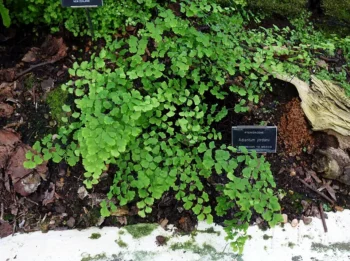
California Maidenhair Fern: A Delicate Native Beauty for Shaded Gardens
If you’re looking for a fern that brings an almost ethereal quality to your shade garden, look no further than the California maidenhair fern (Adiantum jordanii). This perennial native is like nature’s own lace curtain, with its delicate, fan-shaped fronds dancing on thin, dark stems that seem to defy gravity.
Where This Native Beauty Calls Home
The California maidenhair fern is a true West Coast native, naturally occurring in California and Oregon. As a plant species native to the lower 48 states, it’s perfectly adapted to the unique conditions of the western United States, making it an excellent choice for gardeners who want to work with nature rather than against it.
- Species observed
- No observations
Why You’ll Fall in Love with This Fern
What makes the California maidenhair fern so special? It’s all about that delicate, almost magical appearance. The fronds emerge like tiny umbrellas, creating a soft, textural contrast against bolder plants in your garden. The black, wiry stems (called stipes) add an elegant architectural element that looks stunning whether the fronds are fully unfurled or just emerging in spring.
Unlike many ferns that can look heavy or overwhelming, this maidenhair species maintains a light, airy quality that won’t dominate your garden space. It’s the perfect plant for adding subtle movement and grace to shaded areas that might otherwise feel static.
Perfect Spots in Your Garden
This native fern shines in several garden settings:
- Woodland gardens: Naturally fits into forest-like plantings
- Shade gardens: Provides texture and interest in dim areas
- Native plant gardens: Supports local ecosystem health
- Rock gardens: Softens hard edges with delicate fronds
- Ground cover: Creates living carpets in appropriate conditions
Growing Conditions: What Makes It Happy
The California maidenhair fern is somewhat particular about its growing conditions, but once you get it right, it’ll reward you with years of beautiful growth. Here’s what it needs to thrive:
Light: Partial to full shade is essential. Direct sunlight will quickly damage those delicate fronds, so keep it tucked away in your garden’s shadier corners.
Moisture: This fern loves consistent moisture but hates soggy feet. Think moist but well-draining – like a wrung-out sponge. Its facultative wetland status means it can handle some variation in moisture levels, but consistency is key.
Soil: Rich, organic soil is a must. Mix in plenty of compost or leaf mold to create that forest floor environment it craves.
Climate: Hardy in USDA zones 8-10, this fern prefers the mild, coastal climates of its native range.
Planting and Care Tips
Getting your California maidenhair fern established doesn’t have to be intimidating. Here’s how to set it up for success:
- Choose the right spot: Morning sun with afternoon shade works well, but full shade is even better
- Prepare the soil: Add organic matter to improve both drainage and water retention
- Plant at the right depth: Keep the crown level with the soil surface
- Water regularly: Especially during the first growing season while roots establish
- Mulch lightly: A thin layer of organic mulch helps retain moisture
- Protect from wind: Strong winds can damage the delicate fronds
A Note About Wildlife Benefits
While the California maidenhair fern doesn’t produce flowers to attract pollinators (ferns reproduce via spores, not flowers), it still contributes to your garden’s ecosystem. Native ferns provide habitat for small creatures and help create the layered, diverse plantings that support overall garden health.
Is This Fern Right for Your Garden?
The California maidenhair fern is perfect for gardeners who:
- Have consistently shaded, moist areas to fill
- Appreciate delicate, textural plants
- Want to support native plant communities
- Live in zones 8-10 with mild, coastal-influenced climates
- Don’t mind providing consistent care and attention
However, it might not be the best choice if you have very dry conditions, intense sun exposure, or live outside its preferred climate zones. This fern definitely falls into the high maintenance but worth it category.
When grown in the right conditions, the California maidenhair fern transforms ordinary shade gardens into enchanting spaces that feel like secret woodland retreats. Its native status means you’re not just adding beauty to your garden – you’re also supporting the plant communities that belong in your local landscape.