California Mistmaiden: A Delicate Native Beauty for Shaded Gardens
If you’re looking for a charming native groundcover that thrives in those tricky shaded, moist spots in your garden, meet California mistmaiden (Romanzoffia californica). This delicate perennial forb might not be the showiest plant in the native plant world, but it has a quiet elegance that makes it a wonderful addition to the right garden setting.
What is California Mistmaiden?
California mistmaiden is a native perennial forb that belongs to the Boraginaceae family. As a forb, it’s an herbaceous plant without significant woody tissue, meaning it dies back to the ground each year and returns from its roots. Don’t let its delicate appearance fool you – this little native is perfectly adapted to its coastal habitat and can be a reliable performer in the right conditions.
You might occasionally see this plant referred to by its synonym, Romanzoffia suksdorfii, but California mistmaiden is the name that’s stuck in most gardening circles.
Where Does It Come From?
This Pacific Coast native calls California and Oregon home, where it naturally grows in moist, shaded rocky areas along the coast. It’s perfectly adapted to the cool, humid conditions of coastal forests and rocky outcroppings, which gives us some great clues about how to grow it successfully in our gardens.
- Species observed
- No observations
What Does It Look Like?
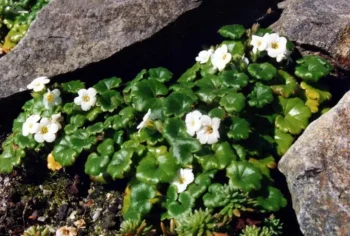
California mistmaiden produces small, delicate white to pale pink flowers that appear in loose clusters above attractive heart-shaped to kidney-shaped leaves. The flowers are tiny but charming, and the overall effect is of a plant that looks right at home nestled among rocks or carpeting the floor of a shaded woodland garden.
Why Grow California Mistmaiden?
There are several compelling reasons to consider adding this native beauty to your garden:
- It’s perfectly adapted to challenging shaded, moist conditions where many plants struggle
- As a native species, it supports local ecosystems and provides nectar for small pollinators like bees and flies
- It works beautifully as a groundcover in naturalistic plantings
- The delicate flowers and attractive foliage add subtle beauty to shade gardens
- It’s a perennial, so once established, it will return year after year
Important Conservation Note
Before you rush out to find this plant, there’s something important to know: California mistmaiden has a conservation status that suggests it may be somewhat uncommon in parts of its range. This means if you want to grow it, you should only source it from reputable native plant nurseries that propagate their plants responsibly rather than collecting from wild populations.
Growing Conditions and Care
California mistmaiden is happiest when you can mimic its natural coastal forest habitat:
- Light: Partial to full shade – avoid hot afternoon sun
- Soil: Moist but well-draining soil that doesn’t dry out completely
- Water: Consistent moisture is key, but avoid waterlogged conditions
- Climate: Thrives in USDA hardiness zones 8-10, preferring cool, humid conditions
- Wetland status: This plant is facultative, meaning it can handle both wetland and non-wetland conditions, making it quite versatile for different moisture levels in your garden
Perfect Garden Settings
California mistmaiden shines in several types of garden settings:
- Shade gardens: Perfect for those spots under trees where grass won’t grow
- Rock gardens: Looks natural tucked between stones and boulders
- Native plant gardens: An authentic choice for California and Oregon native plantings
- Woodland gardens: Creates a lovely carpet effect in naturalistic settings
Planting and Care Tips
Once you’ve sourced your California mistmaiden from a reputable nursery:
- Plant in early spring or fall when temperatures are cool
- Ensure the planting site has good drainage but won’t dry out completely
- Mulch lightly around plants to help retain moisture
- Water regularly during the first growing season to establish roots
- Once established, it should be relatively low-maintenance with occasional watering during dry spells
The Bottom Line
California mistmaiden might not be the flashiest native plant you can grow, but it fills an important niche for gardeners dealing with shaded, moist conditions. Its delicate beauty, native status, and ability to support local pollinators make it worth seeking out – just make sure you’re getting it from a responsible source. If you can provide the cool, moist, shaded conditions it craves, this charming native will reward you with years of subtle beauty and the satisfaction of growing a true Pacific Coast original.