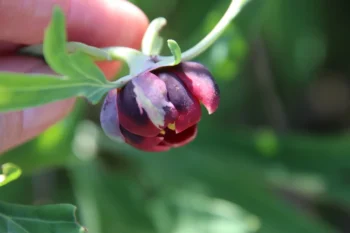
California Peony: A Hidden Gem for Your Native Garden
If you’re looking to add a touch of unexpected elegance to your California native garden, meet the California peony (Paeonia californica) – a delightfully quirky native that’s quite different from its showy garden cousins. This understated beauty offers something special for gardeners willing to work with its unique rhythm.
What Makes California Peony Special
California peony is a true California native, found nowhere else in the world. This perennial forb – essentially a non-woody flowering plant – brings a sophisticated charm that’s distinctly different from typical garden peonies. With deep red to maroon cup-shaped flowers and attractive blue-green divided foliage, it’s like discovering a botanical secret that most gardeners don’t know about.
Where It Calls Home
This exclusive California resident thrives naturally in the state’s chaparral and oak woodland regions. You’ll find it scattered throughout various parts of California, where it has adapted to the Mediterranean climate and seasonal drought patterns that define much of the state.
- Species observed
- No observations
Garden Role and Design Ideas
California peony works beautifully as an understory accent plant, particularly in native plant gardens and Mediterranean-style landscapes. Its compact growth habit makes it perfect for:
- Native California plant collections
- Dry shade gardens under oaks
- Rock gardens with good drainage
- Drought-tolerant landscape designs
The plant’s seasonal dormancy actually adds to its appeal – it emerges in late winter, blooms in spring, then gracefully retreats underground for the summer, making room for other plants to shine.
Growing Conditions and Care
Here’s where California peony shows its independent streak. This plant operates on California time, meaning it’s active during the cool, wet months and takes a summer vacation. It thrives in USDA hardiness zones 8-10 and prefers:
- Part shade to filtered sunlight
- Well-draining soil (absolutely essential)
- Minimal summer water once established
- Good air circulation
Planting and Care Tips
The key to success with California peony is respecting its natural cycle. Plant dormant tubers in fall, just as the rains begin. During its growing season (winter through spring), provide occasional water if rainfall is insufficient. But here’s the crucial part: once it goes dormant in summer, resist the urge to water it. This plant has evolved to sleep through California’s dry summers, and excess moisture during dormancy can be fatal.
Once established, California peony is remarkably drought-tolerant and requires minimal care. Just let it follow its natural rhythm of growth, bloom, and rest.
Benefits for Wildlife and Pollinators
During its spring bloom period, California peony attracts native bees and other pollinators, contributing to local ecosystem health. As a native plant, it supports the complex web of relationships between California’s flora and fauna that have developed over thousands of years.
Is California Peony Right for Your Garden?
California peony is perfect for gardeners who appreciate subtlety over showiness and are committed to water-wise gardening. It’s ideal if you’re creating a native plant garden, have dry shade areas to fill, or simply want to grow something truly unique to California.
However, this isn’t the plant for you if you prefer constant garden color or have heavy, poorly-draining soil. It also requires patience – California peony won’t give you instant gratification, but it will reward thoughtful gardeners with years of quiet beauty.
For California gardeners looking to create authentic native landscapes while supporting local wildlife, California peony offers a rare opportunity to grow something genuinely special – a plant that exists nowhere else on Earth and brings a piece of California’s wild heritage into your garden.