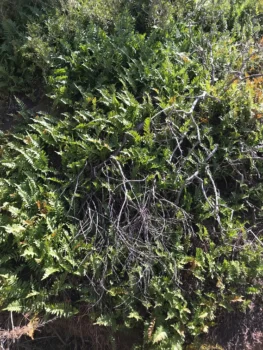
California Polypody: A Charming Native Fern for Your Shade Garden
Meet the California polypody (Polypodium californicum), a delightful native fern that’s been quietly gracing California’s coastal landscapes for centuries. This unassuming little fern might not be the showiest plant in your garden, but it brings a special kind of understated elegance that’s hard to beat.
What Exactly Is California Polypody?
California polypody is a perennial fern that belongs to the polypody family. Unlike the towering tree ferns you might picture, this one keeps things modest with fronds that typically reach just 4 to 12 inches in length. The fronds are deeply lobed with distinctive rounded segments that give them an almost hand-like appearance – hence the polypody name, which essentially means many feet.
This evergreen to semi-evergreen fern has leathery, somewhat thick fronds that help it survive California’s dry summers. The fronds emerge from creeping rhizomes and often grow in attractive clusters, creating natural-looking colonies over time.
Where Does It Call Home?
As its name suggests, California polypody is native to California, where it naturally occurs along the coast and in coastal mountain ranges. You’ll find it growing on rocky outcrops, cliff faces, and in the dappled shade of oak woodlands. This fern is perfectly adapted to California’s Mediterranean climate with its wet winters and dry summers.
- Species observed
- No observations
Why Your Garden Might Love This Little Fern
California polypody brings several benefits to your garden landscape:
- Low maintenance: Once established, it’s quite drought-tolerant and requires minimal care
- Year-round interest: The evergreen fronds provide color and texture throughout the seasons
- Rock garden star: It’s perfect for tucking into crevices and rocky areas where other plants struggle
- Native appeal: Supports local ecosystems and fits naturally into California native plant gardens
- Compact size: Won’t overwhelm small spaces or delicate garden compositions
How to Identify California Polypody
Look for these key identifying features:
- Small, leathery fronds with deep, rounded lobes
- Fronds typically 4-12 inches long
- Grows from creeping rhizomes
- Often found growing in rock crevices or on rocky surfaces
- Spore cases (sori) appear as round, golden-brown dots on the undersides of fertile fronds
Growing California Polypody Successfully
This charming fern thrives in USDA hardiness zones 8-10, making it perfect for most of California and similar Mediterranean climates.
Ideal Growing Conditions
- Light: Shade to partial shade – avoid hot afternoon sun
- Soil: Well-draining soil is essential; it actually prefers rocky or sandy soils
- Water: Moderate moisture during growing season, drought-tolerant once established
- Drainage: Excellent drainage is crucial – this fern won’t tolerate soggy conditions
Planting and Care Tips
Getting your California polypody off to a good start is surprisingly straightforward:
- Plant in spring when temperatures are mild and rainfall is more reliable
- Choose a location with morning sun and afternoon shade, or dappled light throughout the day
- Ensure excellent drainage – consider adding coarse sand or small rocks to heavy soils
- Water regularly the first year while the plant establishes
- Apply a light layer of organic mulch, but keep it away from the base of the plant
- Fertilization is rarely needed – these ferns are adapted to lean soils
The Perfect Garden Companion
California polypody shines in several garden settings. It’s absolutely perfect for rock gardens, where it can nestle into crevices just like it does in nature. In woodland or shade gardens, it pairs beautifully with other California natives like coral bells, Douglas iris, and native grasses. Its compact size also makes it ideal for container gardening on shaded patios.
While this fern doesn’t offer nectar for pollinators like flowering plants do, it does contribute to the overall health of your garden ecosystem by providing shelter for small creatures and adding to the structural diversity that makes gardens more resilient.
Is California Polypody Right for Your Garden?
If you’re looking for a low-maintenance, drought-tolerant fern that brings authentic California character to your garden, California polypody could be your perfect match. It’s especially wonderful if you have rocky areas, slopes, or challenging spots where other plants struggle. Just remember that this isn’t a fern for constantly moist conditions – it much prefers the set it and forget it approach once it’s established.
This little native fern proves that sometimes the most unassuming plants make the biggest impact. California polypody might not demand attention, but it quietly brings year-round beauty and authentic regional character to gardens throughout its range.