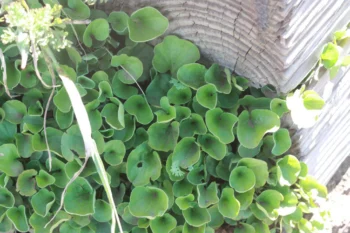
California Ponysfoot: A Native Ground Cover Worth Knowing
If you’re on the hunt for native ground cover options for your Pacific Coast garden, you might want to get acquainted with California ponysfoot (Dichondra donelliana). This little-known native perennial deserves more attention from gardeners looking to support local ecosystems while creating attractive, low-maintenance landscapes.
What is California Ponysfoot?
California ponysfoot is a native perennial forb – basically a non-woody herbaceous plant that comes back year after year. As part of the morning glory family, it shares some characteristics with its more famous cousin, the common dichondra used in lawns, but this species is special because it’s actually native to our region.
You might occasionally see this plant listed under the synonym Dichondra donnelliana, but don’t let the slight spelling variation confuse you – it’s the same wonderful native species.
Where Does It Naturally Grow?
California ponysfoot calls the Pacific Coast home, naturally occurring in California and Oregon. This native status makes it perfectly adapted to the unique conditions of our region, from the Mediterranean climate of coastal California to the mild, wet winters of the Pacific Northwest.
- Species observed
- No observations
What Does It Look Like?
Like other members of the Dichondra family, California ponysfoot features small, round to kidney-shaped leaves that create a dense, low-growing mat. The plant forms a spreading ground cover that hugs the earth, making it an excellent choice for areas where you want living carpet rather than vertical interest.
Why Grow California Ponysfoot?
There are several compelling reasons to consider this native ground cover:
- True native status: Unlike many commonly used ground covers, this species actually belongs in West Coast gardens
- Low maintenance potential: Being native means it’s naturally adapted to local conditions
- Ecosystem support: Native plants provide better habitat for local wildlife than non-native alternatives
- Unique choice: Stand out from the crowd of typical landscape plants
Growing Conditions and Care
Since California ponysfoot is native to California and Oregon, it’s likely best suited for USDA hardiness zones 8-10, though exact requirements can vary based on your specific microclimate.
As with many Pacific Coast natives, this plant probably prefers:
- Well-draining soil
- Mild, wet winters and dry summers
- Protection from extreme heat in inland areas
- Minimal summer water once established
The Challenge: Limited Cultivation Information
Here’s where things get interesting (and a bit challenging): California ponysfoot isn’t widely cultivated, which means detailed growing information is scarce. This presents both an opportunity and a potential frustration for adventurous gardeners.
If you’re interested in growing this native species, you might need to:
- Source seeds or plants from specialized native plant nurseries
- Experiment with growing conditions based on its natural habitat
- Connect with local native plant societies for growing tips
- Be prepared for some trial and error
Best Uses in the Garden
California ponysfoot would likely excel in:
- Native plant gardens: Perfect for authentic regional landscapes
- Rock gardens: Low-growing habit suits rocky, well-drained sites
- Slope stabilization: Spreading growth could help prevent erosion
- Understory planting: May work well beneath native shrubs and trees
Should You Grow It?
California ponysfoot is ideal for gardeners who:
- Are passionate about true native species
- Enjoy experimenting with uncommon plants
- Want to support local ecosystems
- Have patience for plants that aren’t plug and play
However, if you need guaranteed results or detailed care instructions, you might want to start with better-known native ground covers and work up to more experimental species like California ponysfoot.
The Bottom Line
California ponysfoot represents the exciting frontier of native plant gardening – species that belong in our landscapes but haven’t yet made it into mainstream cultivation. While growing this plant might require more detective work and experimentation than your typical garden center purchase, the reward is knowing you’re nurturing a truly local species that has called the Pacific Coast home for millennia.
For the adventurous native plant enthusiast, California ponysfoot offers a chance to pioneer the cultivation of an under-appreciated regional treasure. Just be prepared to become part botanist, part detective, and part pioneer gardener in the process!