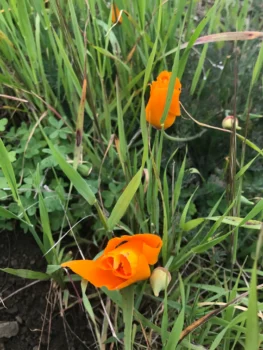
California Poppy: A Golden Treasure for Your Native Garden
Few flowers capture the essence of the American West quite like the California poppy. With its vibrant orange petals that seem to glow in the sunlight, this charming wildflower has been brightening landscapes and winning hearts for generations. But is this golden beauty right for your garden? Let’s dig into what makes the California poppy such a fascinating choice for native plant enthusiasts.
Meet the California Poppy
Officially known as Eschscholzia californica californica, the California poppy is a delightful forb – essentially a soft-stemmed flowering plant that lacks the woody tissue of shrubs and trees. This adaptable little plant can behave as either an annual or perennial depending on growing conditions, giving it remarkable flexibility in the garden.
Where Does It Call Home?
The California poppy is native to the lower 48 United States, though it has also established itself in various Canadian provinces and Hawaii as a non-native species. You can find this adaptable plant growing across an impressive range of states, from its namesake California all the way to the East Coast, and from the southern reaches of Alabama up to the northern territories of Canada.
- Species observed
- No observations
The Good, The Beautiful, and The Practical
So why might you want to welcome California poppies into your garden? Here are some compelling reasons:
- Stunning visual impact: Those brilliant orange blooms create instant curb appeal
- Native plant benefits: Where native, it supports local ecosystems
- Low maintenance: Once established, it’s generally easy to care for
- Versatile growing habit: Works as both annual and perennial
Things to Consider
Before you rush to plant California poppies everywhere, here are a few things to keep in mind:
- Regional considerations: While native to much of the US, it’s non-native in some areas
- Unknown invasive status: The invasive potential isn’t well documented for all regions
- Conservation status: This species has a somewhat unclear rarity ranking
If you’re gardening outside its native range, consider exploring local native alternatives that might provide similar beauty while supporting your regional ecosystem.
Growing Your California Poppies
Unfortunately, specific growing information for this particular subspecies is limited in our database. However, California poppies as a group are generally known for being relatively easy to grow. Here’s what we do know:
- Plant type: Herbaceous forb (soft-stemmed flowering plant)
- Duration: Can grow as annual or perennial
- Growth habit: Low-growing with delicate, fern-like foliage
For specific growing conditions, hardiness zones, and detailed care instructions, we recommend consulting local native plant societies or extension services in your area, as growing requirements can vary significantly by region.
The Bottom Line
California poppies offer undeniable charm with their cheerful blooms and easy-going nature. If you’re gardening within their native range, they can be a wonderful addition to wildflower gardens, meadow plantings, or naturalized landscapes. However, if you’re outside their native territory, take time to research local native alternatives that might offer similar beauty while providing maximum benefit to your local wildlife and ecosystem.
Remember, the best garden is one that works harmoniously with your local environment – and sometimes that means choosing the native cousin over the distant beauty, no matter how golden and gorgeous it might be!