California Pricklypear: A Desert Gem Worth Growing Responsibly
Meet the California pricklypear (Cylindropuntia californica var. californica), a stunning native cactus that’s as tough as it is beautiful. This remarkable desert dweller brings both ecological value and striking visual appeal to the right garden setting – but there’s an important conservation story you should know before adding one to your landscape.
What Makes California Pricklypear Special
This perennial shrub is a true California native, found exclusively in the Golden State’s desert and semi-arid regions. Unlike its more common cousins, this particular variety has earned a vulnerable conservation status (S3), meaning it’s becoming increasingly rare in its natural habitat. That makes every garden specimen even more precious!
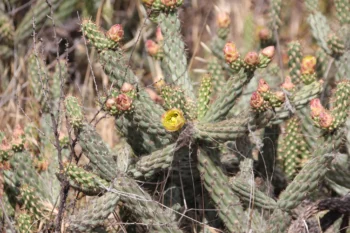
The California pricklypear grows as a multi-stemmed woody shrub, typically reaching 4-5 meters in height under ideal conditions. Its segmented, cylindrical stems create fascinating architectural forms that look like living sculptures in the landscape.
Where It Calls Home
This desert beauty is endemic to California, thriving in the state’s Mojave Desert and other arid regions. Its natural range reflects its deep adaptation to hot, dry conditions and poor soils.
- Species observed
- No observations
Garden Appeal: More Than Just Spines
Don’t let those formidable spines fool you – the California pricklypear is a showstopper when it blooms. In spring, it produces brilliant yellow flowers that practically glow against the desert backdrop. These blooms give way to colorful fruits that add another season of interest to your garden.
The plant’s unique segmented structure provides year-round architectural interest, making it an excellent focal point or specimen plant. Its dramatic form creates striking silhouettes, especially when backlit by morning or evening sun.
Perfect Garden Settings
This cactus shines brightest in:
- Desert and xeriscape gardens
- Rock gardens and succulent displays
- Mediterranean-style landscapes
- Modern, minimalist designs
- Native plant gardens
It’s particularly valuable in USDA hardiness zones 9-11, where it can handle the heat and occasional cold snaps.
Wildlife and Pollinator Benefits
Those cheerful yellow blooms aren’t just pretty – they’re pollinator magnets! Native bees and other desert-adapted pollinators rely on flowers like these for nectar and pollen. By growing California pricklypear, you’re supporting the intricate web of desert wildlife that depends on native plants.
Growing Your California Pricklypear Successfully
The good news? This plant practically grows itself once you get the basics right:
Location: Full sun is non-negotiable. This desert native needs at least 6-8 hours of direct sunlight daily.
Soil: Well-draining soil is absolutely critical. Sandy, rocky, or gravelly soil works best. If you have clay soil, consider raised beds or containers filled with cactus-specific soil mix.
Water: Less is definitely more. Water deeply but infrequently, allowing soil to dry completely between waterings. Once established, natural rainfall may be sufficient in many areas.
Planting tips: Spring is the ideal planting time. Handle with extreme care (thick gloves are essential!), and ensure the planting hole has excellent drainage.
Important Conservation Note
Here’s where things get serious: California pricklypear has a vulnerable conservation status, meaning wild populations are declining. If you want to grow this beauty, please only purchase plants from reputable nurseries that propagate their own stock rather than wild-collecting. Never take cuttings or plants from wild populations – this contributes to the species’ decline.
Look for nurseries that specialize in native plants and can verify their propagation methods. Supporting responsible growers helps ensure this species has a future both in gardens and in the wild.
The Bottom Line
California pricklypear is absolutely worth growing if you’re in the right climate and can source it responsibly. It’s drought-tolerant, low-maintenance, wildlife-friendly, and architecturally stunning – basically everything you want in a native plant. Just remember to treat it as the conservation treasure it is, and always choose responsibly propagated plants over wild-collected specimens.
Your desert garden (and local pollinators) will thank you for this spiny but spectacular addition!