California Redbud: A Native Beauty That’ll Make Your Garden Pop
If you’re looking for a show-stopping native plant that doesn’t demand constant attention, meet the California redbud (Cercis orbiculata). This charming shrub is like that friend who shows up looking fabulous without trying too hard – it brings serious curb appeal while being refreshingly low-maintenance.
What Makes California Redbud Special?
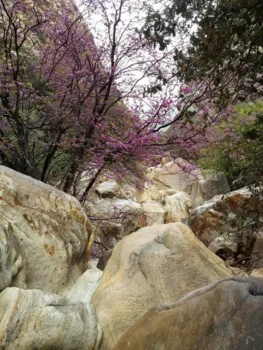
California redbud is a perennial shrub that typically grows as a multi-stemmed woody plant, usually staying under 13-16 feet tall. What really sets this beauty apart is its spectacular spring display. Before the leaves even think about appearing, the bare branches burst into clouds of pink to purple flowers that look almost too good to be true. It’s like nature’s own fireworks show, and it happens right in your backyard.
Once the flowers fade, heart-shaped leaves take center stage, providing lovely green foliage through summer before turning a gorgeous yellow in fall. Talk about a plant that keeps on giving!
Where Does California Redbud Call Home?
This native gem is naturally found across the southwestern United States, including Arizona, California, Nevada, and Utah. Being a true native to the lower 48 states means it’s perfectly adapted to its home turf – no coddling required.
- Species observed
- No observations
Why Your Garden (and Local Wildlife) Will Love It
California redbud isn’t just a pretty face. Those early spring blooms are like a welcome mat for pollinators emerging from winter. Bees and butterflies absolutely adore the nectar-rich flowers, making this shrub a valuable addition to any pollinator-friendly garden.
From a design perspective, California redbud works beautifully as:
- A stunning specimen plant that commands attention
- Part of a naturalized landscape design
- A key player in drought-tolerant xeriscaping
- An anchor plant in native plant gardens
- A perfect fit for Mediterranean-style landscapes
Growing California Redbud Successfully
Here’s the best part about California redbud – it’s incredibly forgiving once you understand its basic needs. This shrub thrives in USDA hardiness zones 7-10, making it suitable for much of the country.
Light and Soil Requirements
California redbud is happiest in full sun to partial shade and absolutely insists on well-draining soil. Think of it as a plant that likes to keep its feet dry – soggy conditions are definitely not its thing.
Water Needs
Once established, this drought-tolerant champion requires minimal supplemental watering. During its first year, give it regular water to help establish a strong root system, then gradually back off. Mature plants can handle dry spells like pros.
Planting and Care Tips
- Plant in fall or early spring for best establishment
- Space plants appropriately – remember they can spread several feet wide
- Mulch around the base to retain moisture and suppress weeds
- Prune lightly after flowering if needed, but this shrub naturally maintains a nice shape
- Avoid overwatering once established – less is definitely more
Is California Redbud Right for Your Garden?
If you’re looking for a native plant that delivers maximum impact with minimum fuss, California redbud might just be your new garden BFF. It’s perfect for gardeners who want to support local ecosystems while creating a landscape that’s both beautiful and water-wise.
Just keep in mind that this is a shrub that likes to do its own thing – it’s not the plant for formal, heavily manicured landscapes. But if you appreciate natural beauty and don’t mind a plant with a bit of personality, California redbud will reward you with years of stunning spring displays and happy pollinators.
Ready to add some native flair to your landscape? California redbud is waiting to show you what it can do!