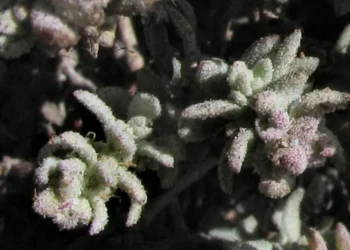
California Saltbush: The Ultimate Low-Maintenance Native for Water-Wise Gardens
Meet California saltbush (Atriplex californica), a true champion of the water-wise garden world. This unassuming native shrub might not win any flashy flower contests, but what it lacks in showy blooms, it more than makes up for in resilience, beauty, and ecological value. If you’re looking for a plant that thrives on neglect while supporting local wildlife, you’ve found your match.
What is California Saltbush?
California saltbush is a perennial shrub that’s perfectly at home in the Golden State’s diverse landscapes. As a native species to the lower 48 states, this hardy plant has been quietly doing its job in California’s coastal regions and foothills for thousands of years. You might also see it listed under its botanical synonym, Extriplex californica, but don’t let the name confusion fool you – it’s the same wonderful plant.
Where Does It Grow?
This California native has made its home throughout the state, from coastal bluffs to inland valleys. It’s particularly fond of chaparral and coastal sage scrub communities, where it has adapted to handle everything from salty ocean breezes to scorching summer heat.
- Species observed
- No observations
Why Your Garden Will Love California Saltbush
Here’s where this plant really shines – it’s practically bulletproof once established. The silvery-gray to blue-green foliage creates a beautiful backdrop for more colorful plants, while its drought tolerance means you can practically forget about watering after the first year. The small, inconspicuous flowers might not stop traffic, but they’re busy attracting beneficial insects and small pollinators that your garden ecosystem will appreciate.
Perfect Garden Roles
California saltbush excels in several garden situations:
- Background plantings that provide structure and color contrast
- Slope stabilization where erosion control is needed
- Wildlife gardens supporting native fauna
- Xeriscaping and drought-tolerant landscape designs
- Coastal gardens where salt tolerance is essential
Growing Conditions and Care
The beauty of California saltbush lies in its simplicity. This plant thrives in USDA hardiness zones 8-10 and has some pretty basic needs:
- Sun: Full sun is best, though it can handle some light shade
- Soil: Well-draining soil is essential – it’s not picky about soil type
- Water: Drought tolerant once established, requiring minimal supplemental irrigation
- Salt tolerance: Excellent for coastal locations
Planting and Care Tips
Getting your California saltbush off to a good start is surprisingly easy. Plant in fall when cooler temperatures give the roots time to establish before summer heat arrives. Water regularly during the first growing season, then step back and let nature take over. This plant actually prefers benign neglect – too much water or fertilizer can cause more harm than good.
Pruning is minimal and optional. A light shaping in late winter can help maintain a tidy appearance, but many gardeners prefer the natural, somewhat informal look of an unpruned shrub.
Wildlife and Ecological Benefits
While California saltbush might seem understated, it’s working hard behind the scenes. The plant provides habitat and food sources for various wildlife species, and its flowers support beneficial insects and small pollinators. As a facultative wetland plant, it’s adaptable enough to grow in both wetland and non-wetland conditions, making it valuable for diverse garden ecosystems.
The Bottom Line
California saltbush proves that sometimes the best plants are the quiet achievers. If you’re tired of high-maintenance garden divas and ready for a reliable native that delivers year-round interest with minimal fuss, this silvery beauty deserves a spot in your landscape. Your water bill, local wildlife, and future self will thank you for choosing this outstanding California native.