California Sawgrass: A Native Wetland Wonder for Your Water Garden
If you’re looking to create a naturalized water feature or restore a wetland area, California sawgrass (Cladium californicum) might just be the perfect native plant for your project. This graceful sedge brings authentic southwestern charm to wet spaces while supporting local ecosystems.
What is California Sawgrass?
California sawgrass is a native perennial sedge that belongs to the grass-like plant family. Don’t let the name fool you – it’s not actually a true grass, but rather a member of the sedge family (Cyperaceae). This tall, elegant plant has been gracing the wetlands of the American Southwest for millennia, and it’s perfectly adapted to thrive in consistently wet conditions.
You might also see this plant listed under its botanical synonyms: Cladium mariscus var. californicum or Mariscus californicus, but they’re all referring to the same wonderful native species.
Where Does It Naturally Grow?
California sawgrass is native to five southwestern states: Arizona, California, Nevada, New Mexico, and Utah. In the wild, you’ll find it thriving in marshes, wet meadows, and along the edges of streams and ponds throughout these regions.
- Species observed
- No observations
Why Consider California Sawgrass for Your Garden?
There are several compelling reasons to include this native sedge in your landscape:
- True native plant: It’s indigenous to the southwestern United States, making it perfectly adapted to regional conditions
- Wetland restoration: Excellent choice for restoring natural wetland habitats
- Low maintenance: Once established in the right conditions, it requires minimal care
- Naturalized appeal: Creates authentic-looking wild wetland spaces
- Erosion control: Helps stabilize wet soil areas with its root system
What Does It Look Like?
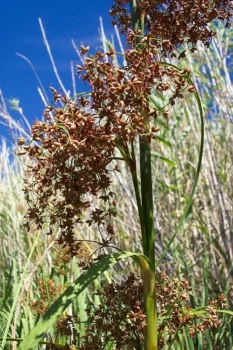
California sawgrass forms tall, graceful clumps of narrow, grass-like leaves that can reach impressive heights. The plant produces brownish flower clusters that add subtle texture and movement to wetland gardens. Its overall form is upright and architectural, making it an excellent backdrop plant for water features.
Perfect Garden Settings
This native sedge shines in specific garden situations:
- Wetland gardens: The ideal choice for created or restored wetlands
- Pond margins: Beautiful planted around the edges of natural or constructed ponds
- Rain gardens: Excellent for areas that collect and filter rainwater runoff
- Bog gardens: Perfect for consistently moist, specialized garden areas
- Restoration projects: Essential for authentic southwestern wetland restoration
Growing Conditions and Care
California sawgrass is quite specific about its needs – it’s classified as an obligate wetland plant, meaning it almost always occurs in wetland conditions. Here’s what it requires:
Essential Growing Requirements
- Moisture: Consistently wet to saturated soil – this is non-negotiable
- Sun exposure: Full sun to partial shade
- Soil type: Tolerates various soil types as long as they remain wet
- USDA zones: Hardy in zones 7-10
- pH: Adaptable to various pH levels in wetland conditions
Planting and Establishment Tips
Successfully growing California sawgrass requires attention to its wetland nature:
- Site selection: Choose naturally wet areas or create artificial wetland conditions
- Soil preparation: Ensure consistent moisture – standing water is acceptable
- Planting time: Spring is ideal for establishment
- Spacing: Allow room for natural spreading and clump formation
- Water management: Never allow the soil to dry out completely
Maintenance and Long-term Care
Once established, California sawgrass is relatively low-maintenance:
- Watering: Maintain consistent wetland conditions year-round
- Fertilizing: Generally unnecessary in properly maintained wetland soils
- Pruning: Remove old growth in late winter if desired
- Division: Can be divided every few years to manage spread or create new plantings
Is California Sawgrass Right for Your Garden?
California sawgrass is an excellent choice if you have naturally wet areas on your property or are specifically creating wetland habitats. However, it’s not suitable for typical garden beds or areas with normal drainage. This plant truly needs consistent moisture to thrive.
Consider this native sedge if you’re working on wetland restoration, creating rain gardens, or designing naturalized water features. It’s particularly valuable for gardeners in the Southwest who want to use authentic native plants in their wetland projects.
The Bottom Line
California sawgrass offers gardeners a chance to incorporate a true native wetland plant into their landscapes. While it has very specific moisture requirements, it rewards those who can provide the right conditions with graceful, naturalized beauty and authentic southwestern wetland character. If you have the wet conditions this plant craves, it’s definitely worth considering for your native plant collection.