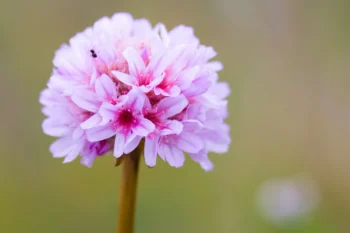
California Seapink: A Charming Coastal Native for Low-Maintenance Gardens
If you’re looking for a tough-as-nails perennial that brings delicate beauty to challenging garden spots, meet California seapink (Armeria maritima californica). Don’t let its dainty appearance fool you – this little powerhouse is built to withstand coastal winds, salt spray, and drought conditions that would make other plants wave the white flag.
What Makes California Seapink Special?
California seapink is a true native gem, naturally occurring along the Pacific coast from British Columbia down through California, with populations also thriving in Oregon and Washington. This perennial forb herb forms attractive, cushion-like mounds of narrow, grass-like foliage topped with globe-shaped flower clusters that dance on slender stems from spring through summer.
You might also encounter this plant listed under its botanical synonyms, including Armeria arctica ssp. californica or Armeria maritima var. californica, but they’re all referring to the same delightful coastal native.
- Species observed
- No observations
Why Your Garden Will Love California Seapink
Here’s where California seapink really shines in the garden:
- Coastal champion: Born and bred for seaside conditions, it laughs at salt spray and sandy soils
- Drought warrior: Once established, it needs minimal water – perfect for water-wise landscaping
- Pollinator magnet: Those sweet little flowers are bee and butterfly favorites
- Year-round interest: Evergreen foliage provides structure even when not in bloom
- Compact and tidy: Forms neat, low mounds that won’t overtake your garden
Perfect Garden Spots for California Seapink
This versatile native fits beautifully into several garden styles:
- Rock gardens: Its cushion form and drought tolerance make it a natural choice
- Coastal landscapes: Obviously right at home near the ocean
- Xeriscaping: Excellent for water-conscious garden designs
- Border edging: Creates attractive, low-maintenance borders
- Naturalized areas: Perfect for recreating coastal prairie habitats
Growing Conditions That Make It Happy
California seapink is refreshingly undemanding, but it does have a few preferences:
- Sunlight: Full sun is where it truly thrives
- Soil: Well-draining is non-negotiable – sandy, rocky, or gravelly soils are perfect
- Water: Drought-tolerant once established, but appreciates occasional deep watering
- Climate: Hardy in USDA zones 3-9, making it suitable for most temperate regions
Planting and Care Tips
Getting California seapink established is straightforward:
- Best planting time: Spring gives plants time to establish before their first winter
- Spacing: Plant 12-18 inches apart for eventual coverage
- Soil prep: If your soil holds water, add sand or gravel to improve drainage
- Watering: Water regularly the first year, then step back and let nature take over
- Maintenance: Deadhead spent flowers to encourage continued blooming
- Fertilizer: None needed – this plant prefers lean conditions
The Bottom Line
California seapink proves that native plants can be both beautiful and practical. It’s an ideal choice for gardeners who want to support local ecosystems while creating low-maintenance landscapes that look great year-round. Whether you’re dealing with challenging coastal conditions or simply want a reliable, drought-tolerant perennial for your rock garden, this charming native delivers on all fronts.
Plus, you’ll have the satisfaction of knowing you’re growing a plant that truly belongs in your local landscape – and providing valuable resources for native pollinators in the process.