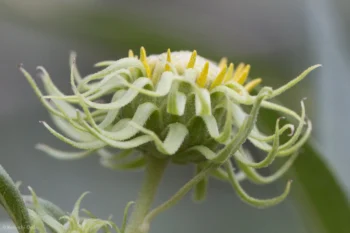
California Sunflower: A Bright Native Beauty for Your Wetland Garden
If you’re looking to add some serious sunshine to your California garden while supporting local wildlife, meet the California sunflower (Helianthus californicus). This cheerful native perennial brings all the classic sunflower charm you love, but with a twist – it absolutely adores getting its feet wet!
What Makes California Sunflower Special?
The California sunflower is a true Golden State original, found nowhere else in the world except right here in California. As a perennial forb, this herbaceous beauty lacks woody stems but makes up for it with stunning yellow blooms that can stretch 2-4 inches across. Picture classic daisy-like flowers with bright yellow petals radiating around dark centers, sitting atop plants that can tower anywhere from 3 to 10 feet tall – now that’s what I call making a statement!
Where Does It Call Home?
This sun-loving native has claimed California as its exclusive territory, thriving in wetland areas throughout the state. You’ll find it naturally growing in marshes, along stream banks, and in seasonal wetlands where other plants might struggle with the constantly moist conditions.
- Species observed
- No observations
The Wetland Wonder
Here’s where things get interesting – California sunflower is what botanists call an obligate wetland plant. In plain English, that means this beauty almost always needs wet conditions to thrive. Whether you’re in the Arid West or the Western Mountains and Coast regions of California, this sunflower has adapted to life with consistently moist to wet soil.
Why Your Garden (and Local Wildlife) Will Love It
Beyond its obvious good looks, California sunflower is a pollinator magnet. Native bees, butterflies, and other beneficial insects flock to its bright blooms from late summer through fall. Once the flowers fade, the seeds provide a valuable food source for local birds – it’s like running a natural bird feeder right in your backyard!
Perfect Spots for Planting
California sunflower shines brightest in:
- Native plant gardens with consistent irrigation
- Rain gardens and bioswales
- Wildlife gardens focused on supporting local species
- Restoration projects in wetland areas
- Naturalized meadow areas with seasonal flooding
Growing Your California Sunflower Successfully
Climate Needs: This California native thrives in USDA hardiness zones 8-10, perfectly matching the Golden State’s Mediterranean climate.
Sun Requirements: Give it full sun to partial shade – though like most sunflowers, it performs best with plenty of morning sunshine.
Soil and Water: Here’s the key to success – consistent moisture is non-negotiable! California sunflower prefers clay or loamy soils that can hold water well. If you’re not dealing with naturally wet conditions, you’ll need to commit to regular, deep watering throughout the growing season.
Planting Tips: Spring is your best bet for getting new plants established. Space them about 2-3 feet apart to account for their mature size and spreading habit.
Care and Maintenance
The good news? Once established, California sunflower is relatively low-maintenance, as long as you keep up with its water needs. Deadhead spent flowers to encourage continued blooming, and cut the plants back in late fall or winter after they’ve gone dormant. The tall stems can get a bit floppy, so some staking might be helpful in windy locations.
Is California Sunflower Right for Your Garden?
Let’s be honest – this isn’t the sunflower for every garden. If you’re dealing with drought conditions, sandy soil that drains quickly, or simply can’t commit to consistent watering, California sunflower might leave you frustrated. However, if you have a wet spot in your yard that other plants struggle with, or if you’re creating a rain garden or wildlife habitat, this native beauty could be exactly what you need.
The California sunflower offers the perfect combination of native plant benefits, wildlife support, and that classic sunflower appeal that never goes out of style. Just remember – keep it happy with plenty of water, and it’ll reward you with months of bright blooms and busy pollinators!