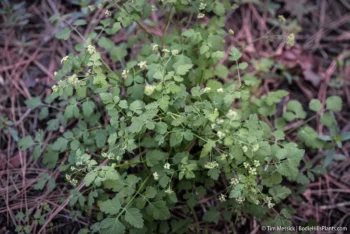
California Sweetcicely: A Delicate Native Gem for Shady Spots
If you’re looking for a charming native plant that brings subtle beauty and sweet fragrance to your shady garden corners, California sweetcicely (Osmorhiza brachypoda) might just be the perfect addition you didn’t know you needed. This delicate perennial herb offers a quiet elegance that’s often overlooked in the flashier world of native gardening.
What Makes California Sweetcicely Special?
California sweetcicely is a native forb that belongs to the carrot family, and like many of its relatives, it produces clusters of tiny white flowers that seem to dance above its fern-like foliage. What sets this plant apart is its lovely sweet scent when the leaves are brushed or crushed – hence the sweetcicely name. It’s one of those plants that rewards the observant gardener with small but meaningful details.
As a perennial herb without woody stems, this plant dies back to the ground each winter and emerges fresh each spring, making it a reliable returning friend in your garden year after year.
Where Does It Call Home?
This native beauty is found naturally in California and Arizona, where it thrives in the understory of woodlands and shaded slopes. Being a true native to the western United States, it’s perfectly adapted to the unique growing conditions of these regions.
- Species observed
- No observations
Why Choose California Sweetcicely for Your Garden?
There are several compelling reasons to consider adding this native gem to your landscape:
- Native plant benefits: Supporting local ecosystems and wildlife
- Pollinator support: Small flowers attract beneficial insects, flies, and native bees
- Fragrant foliage: Adds a sweet, pleasant scent when touched
- Shade tolerance: Perfect for those tricky shady spots where few plants thrive
- Low maintenance: Once established, requires minimal care
Perfect Garden Settings
California sweetcicely shines in:
- Woodland gardens where it can naturalize
- Shade gardens needing delicate texture
- Native plant gardens focused on local species
- Naturalized areas under trees
- Rain gardens with partial shade
Growing Conditions and Care
This adaptable native prefers conditions that mimic its natural woodland habitat:
- Light: Partial to full shade
- Soil: Moist, well-draining soil
- Water: Consistent moisture, especially during growing season
- Climate: Thrives in USDA hardiness zones 8-10
- Temperature: Prefers cooler conditions
Planting and Care Tips
Getting California sweetcicely established in your garden is straightforward with these tips:
- Best planting time: Fall seeding works well, allowing natural stratification
- Soil preparation: Ensure good drainage while maintaining moisture retention
- Watering: Keep soil consistently moist but not waterlogged
- Maintenance: Minimal pruning needed; allow natural die-back in winter
- Patience: Like many natives, it may take a season or two to fully establish
Is California Sweetcicely Right for Your Garden?
This native plant is an excellent choice for gardeners who appreciate subtle beauty and want to support local wildlife. It’s particularly perfect if you have shady areas that need a delicate touch or if you’re creating a native plant garden focused on regional species.
While California sweetcicely won’t be the showstopper of your garden, it offers the quiet charm and ecological benefits that make native gardening so rewarding. Its sweet fragrance and delicate flowers provide those special moments of discovery that make every garden visit a small adventure.
Consider California sweetcicely if you’re looking to add authentic regional character to your shaded spaces while supporting the native plant community that belongs in your local landscape.