California Sweetgrass: A Fragrant Native Gem for Pacific Coast Gardens
If you’re looking for a native grass that brings both beauty and a delightful surprise to your garden, meet California sweetgrass (Hierochloe occidentalis). This charming perennial grass might not be the showiest plant in your landscape, but it has a secret weapon that makes it truly special – crush a few leaves between your fingers, and you’ll be greeted with a sweet, vanilla-like fragrance that’s absolutely enchanting.
What Makes California Sweetgrass Special
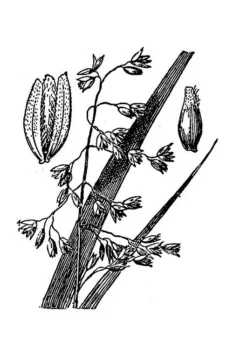
California sweetgrass is a native perennial grass that belongs to the Pacific Coast’s natural heritage. With its fine-textured foliage and delicate, airy seed heads, it brings a soft, naturalistic quality to gardens. The plant’s most distinctive feature is its pleasant fragrance, which has made it valued by indigenous peoples for centuries in ceremonial and practical applications.
You might also encounter this plant under its former scientific names, including Anthoxanthum occidentale, though Hierochloe occidentalis is the currently accepted botanical name.
Where California Sweetgrass Calls Home
This lovely native grass is found naturally along the Pacific Coast, thriving in California, Oregon, and Washington. It’s perfectly adapted to the unique coastal climate of these regions, making it an excellent choice for gardeners in these areas who want to support local ecosystems.
- Species observed
- No observations
Why Consider California Sweetgrass for Your Garden
There are several compelling reasons to include this native grass in your landscape:
- Native plant benefits: As a true native, it supports local wildlife and requires less water and maintenance once established
- Sensory appeal: The delightful fragrance adds an unexpected element to your garden experience
- Low maintenance: Once established, it’s quite self-sufficient and drought-tolerant
- Naturalistic beauty: Perfect for creating soft, natural-looking plantings that blend seamlessly with the landscape
- Erosion control: Excellent for stabilizing slopes and areas prone to erosion
Growing California Sweetgrass Successfully
California sweetgrass is surprisingly adaptable and relatively easy to grow if you can provide the right conditions:
Climate Requirements: This grass thrives in USDA hardiness zones 7-10, particularly in areas with cool, moist coastal climates. It’s ideally suited for the Pacific Northwest’s unique weather patterns.
Light and Soil Needs: California sweetgrass performs well in partial shade to full sun conditions. It prefers moist to moderately dry soils and adapts to various soil types, though it appreciates good drainage.
Planting Tips:
- Plant in spring or fall when temperatures are moderate
- Space plants 12-18 inches apart for natural-looking colonies
- Water regularly during the first growing season to establish strong roots
- Mulch around plants to retain moisture and suppress weeds
Ongoing Care: Once established, California sweetgrass is remarkably low-maintenance. Provide occasional supplemental watering during extended dry periods, but avoid overwatering. The plant naturally goes dormant in hot, dry conditions and will bounce back with cooler, moister weather.
Garden Design Ideas
California sweetgrass shines in several garden settings:
- Native plant gardens: Combine with other Pacific Coast natives like camas, wild ginger, and native ferns
- Naturalistic landscapes: Use in meadow-style plantings or along woodland edges
- Restoration projects: Excellent for re-establishing native plant communities
- Sensory gardens: Plant near pathways where visitors can easily experience the fragrance
- Slope stabilization: Ideal for controlling erosion on gentle to moderate slopes
Wildlife and Ecosystem Benefits
While California sweetgrass is wind-pollinated and doesn’t directly attract pollinators like flowering plants do, it still provides valuable ecosystem services. The grass offers habitat structure for beneficial insects and small wildlife, and its seeds may provide food for birds. As part of native plant communities, it helps create the complex habitat relationships that support local biodiversity.
Is California Sweetgrass Right for Your Garden?
California sweetgrass is an excellent choice if you’re gardening in its native range and want to create naturalistic, low-maintenance plantings. It’s particularly valuable for gardeners interested in native plants, erosion control, or sensory gardens. However, if you’re looking for a dramatic focal point or colorful flowers, you might want to pair it with more showy companions rather than relying on it as a standalone feature.
This delightful native grass proves that sometimes the most rewarding garden plants are those that offer subtle pleasures – like the unexpected joy of discovering that sweet, vanilla fragrance on a quiet morning in the garden.