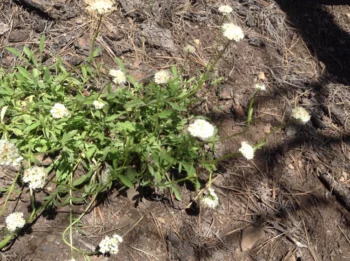
California Valerian: A Fragrant Native Beauty for Your Shade Garden
If you’re looking for a charming native perennial that brings both beauty and ecological benefits to your garden, meet California valerian (Valeriana californica). This delightful little forb might not be the showiest plant in your garden, but it certainly knows how to make friends – with pollinators, that is!
What Makes California Valerian Special?
California valerian is a true western native, naturally occurring across California, Nevada, and Oregon. As a perennial forb, it lacks woody stems but comes back year after year, making it a reliable addition to your native plant palette. Don’t let its humble appearance fool you – this plant has some serious charm once you get to know it.
- Species observed
- No observations
The plant produces clusters of small, fragrant white to pinkish flowers that bloom from spring through summer. While individual blooms are tiny, they gather together in dense, frothy clusters that create a lovely cloud-like effect. The sweet fragrance is an added bonus that both you and visiting pollinators will appreciate.
Why Plant California Valerian in Your Garden?
There are several compelling reasons to consider adding this native beauty to your landscape:
- Native status: As a true California native, it’s perfectly adapted to local conditions and supports regional ecosystems
- Pollinator magnet: The fragrant flowers attract butterflies, bees, and other beneficial insects
- Low maintenance: Once established, it requires minimal care
- Shade tolerant: Perfect for those tricky shaded areas where many plants struggle
- Natural woodland feel: Adds authentic native character to woodland and naturalized gardens
Where Does California Valerian Fit in Your Garden Design?
California valerian shines in several garden settings:
- Native gardens: A natural choice for authentic California native plantings
- Woodland gardens: Thrives in the dappled light beneath trees
- Shade gardens: Brings life to areas where sun-loving plants won’t grow
- Naturalized areas: Perfect for creating that wild native look
Use it as ground cover, plant it in drifts for impact, or tuck it into borders where its delicate flowers can provide a soft contrast to bolder plants.
Growing California Valerian Successfully
Ideal Growing Conditions
California valerian is happiest when you mimic its natural habitat:
- Light: Partial shade to full shade (think dappled woodland light)
- Soil: Well-draining soil that retains some moisture
- Water: Consistent moisture, especially during establishment
- Climate: Thrives in USDA hardiness zones 7-10
Planting and Care Tips
Getting California valerian established is relatively straightforward:
- Planting time: Plant in fall or early spring for best establishment
- Spacing: Allow adequate room for the plant to spread naturally
- Watering: Keep soil consistently moist during the first growing season
- Mulching: Apply organic mulch to retain moisture and suppress weeds
- Maintenance: Once established, this is a remarkably low-maintenance plant
The beauty of California valerian lies in its understated elegance and ecological value. While it may not stop traffic with flashy blooms, it quietly does the important work of supporting native pollinators while adding subtle beauty to shaded corners of your garden. For gardeners who appreciate plants that give more than they take, California valerian is a perfect choice.
Whether you’re creating a native habitat garden or simply looking for a reliable shade perennial, California valerian offers the perfect combination of beauty, ecological benefits, and easy care. Give this native charmer a try – your local pollinators will thank you!