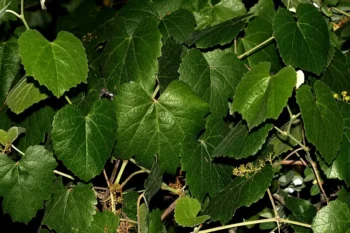
California Wild Grape: A Native Treasure for Your Garden
If you’re looking for a native plant that combines beauty, wildlife value, and low maintenance, let me introduce you to the California wild grape (Vitis californica). This remarkable native vine has been quietly beautifying California and southern Oregon landscapes for centuries, and it’s ready to do the same for your garden.
What Makes California Wild Grape Special?
California wild grape is a perennial climbing vine that brings both charm and purpose to any landscape. As a true native of the lower 48 states, this plant has deep roots in our local ecosystems. You’ll find it naturally growing throughout California and Oregon, where it has adapted perfectly to our Mediterranean climate conditions.
- Species observed
- No observations
This isn’t just any ordinary grape vine – it’s a woody climber that can transform boring fences, arbors, and pergolas into living works of art. With its heart-shaped leaves and twining growth habit, California wild grape creates natural screens and adds vertical interest to gardens of all sizes.
Why Your Garden (and Local Wildlife) Will Love It
Here’s where California wild grape really shines: it’s a multitasking superstar. In late spring and early summer, the vine produces small clusters of flowers that are absolutely buzzing with activity – literally! Bees and other pollinators flock to these blooms for their sweet nectar.
But the benefits don’t stop there. Come fall, you’ll be rewarded with clusters of small purple grapes that, while a bit tart for most human palates, are a feast for birds and other wildlife. The leaves also put on quite a show, turning beautiful shades of golden-yellow before dropping for winter.
Perfect Garden Companions
California wild grape fits beautifully into several garden styles:
- Mediterranean gardens where its drought tolerance shines
- Wildlife gardens focused on supporting native species
- Edible landscapes (though you might want to leave the grapes for the birds!)
- Cottage gardens needing vertical elements
- Natural or wild gardens mimicking native habitats
Growing California Wild Grape Successfully
The best news about California wild grape? It’s surprisingly easy to grow once you understand its preferences. This vine thrives in USDA hardiness zones 7-10, making it perfect for most West Coast gardens.
Location and Soil: Choose a spot with full sun to partial shade and well-draining soil. In nature, you’ll often find this vine on slopes and woodland edges, so it appreciates good drainage above all else. It has a wetland status of Facultative Upland, meaning it prefers non-wetland conditions but can tolerate occasional moisture.
Planting Tips: Fall and early spring are the ideal planting times. Since this is a climbing vine, you’ll want to provide sturdy support right from the start – think pergolas, arbors, strong fences, or even large trees it can scramble up.
Water Needs: Here’s where California wild grape really proves its native credentials. Once established (usually after the first year), it’s quite drought tolerant. During its first growing season, provide regular water to help establish strong roots, then gradually reduce watering frequency.
Maintenance: Pruning should be done during the dormant season (winter) to maintain shape and remove any dead or damaged growth. Don’t be afraid to prune – this vine can handle it and will reward you with vigorous new growth.
A Few Things to Keep in Mind
While California wild grape is generally well-behaved, remember that it is a vigorous climber. Make sure your support structures are sturdy enough to handle its eventual size and weight. Also, plan for its deciduous nature – you’ll have lovely screening in summer and fall, but the vine will be bare in winter.
The grapes, while edible, are quite small and tart compared to commercial varieties. Most gardeners grow this plant for its wildlife value and natural beauty rather than fruit production.
The Bottom Line
California wild grape represents everything we love about native gardening: it’s beautiful, supports local wildlife, requires minimal resources once established, and connects us to the natural heritage of our region. Whether you’re creating a wildlife haven or simply want an attractive, low-maintenance vine for your pergola, Vitis californica deserves serious consideration.
By choosing native plants like California wild grape, you’re not just creating a beautiful garden – you’re contributing to the preservation of our local ecosystems, one vine at a time.