California Wildrose: A Thorny Beauty for Your Native Garden
If you’re looking to add a touch of wild beauty to your landscape while supporting local wildlife, California wildrose (Rosa californica) might just be the perfect addition to your garden. This charming native shrub brings together fragrant blooms, colorful fall interest, and exceptional wildlife value in one thorny but lovable package.
What is California Wildrose?
California wildrose is a perennial shrub native to the lower 48 states, specifically thriving in California and Oregon. This thicket-forming beauty typically stays under 1.5 feet tall, though it can occasionally reach up to 10 feet in ideal conditions over time. Don’t let its modest stature fool you – this rapid grower spreads enthusiastically to create dense colonies that pack a punch in the landscape.
Where Does It Grow Naturally?
You’ll find California wildrose growing wild throughout California and Oregon, from coastal ranges to foothills and lower mountain elevations. It’s perfectly adapted to the Mediterranean climate of the West Coast, making it an excellent choice for gardeners in these regions who want to work with nature rather than against it.
- Species observed
- No observations
Why You’ll Love This Native Rose
California wildrose offers year-round interest that will keep your garden looking lively through the seasons:
- Summer Blooms: Fragrant pink to rose-colored flowers (1-2 inches across) that attract pollinators like native bees and butterflies
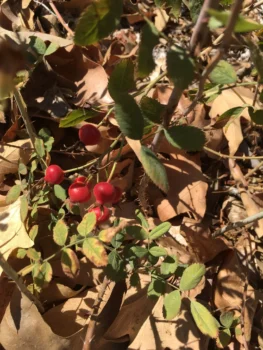
- Fall Color: Bright red rose hips that persist into winter, plus foliage that turns golden yellow
- Wildlife Magnet: Dense thickets provide nesting sites for birds while rose hips feed wildlife through fall and winter
- Low Maintenance: Once established, it’s drought tolerant and requires minimal care
- Fire Resilient: High fire tolerance with excellent resprout ability
Perfect Garden Settings
California wildrose shines in naturalized landscapes and wildlife gardens rather than formal settings. Consider it for:
- Native plant gardens and restoration projects
- Slope stabilization and erosion control
- Informal hedging or screening
- Wildlife habitat gardens
- Areas where you want seasonal color without high maintenance
Growing Conditions
This adaptable native is surprisingly easy to please once you understand its preferences:
- USDA Hardiness Zones: 7-10
- Soil: Adapts to coarse, medium, or fine-textured soils with pH between 7.0-8.0
- Water: High moisture use but medium drought tolerance once established
- Sun: Full sun to partial shade (intermediate shade tolerance)
- Rainfall: Thrives with 11-40 inches of annual precipitation
Wetland Status
California wildrose is considered facultative in both the Arid West and Western Mountains regions, meaning it’s equally happy in wetlands and drier sites. This flexibility makes it a great choice for areas with varying moisture levels.
Planting and Care Tips
Getting your California wildrose established is straightforward with these tips:
- Propagation: Can be grown from seed (which requires cold stratification), cuttings, or purchased in containers
- Planting Density: Space plants 3-6 feet apart (1,200-3,000 plants per acre for large plantings)
- Best Planting Time: Fall or early spring
- Establishment: Water regularly the first year, then reduce as drought tolerance develops
- Pruning: Minimal pruning needed; can be cut back in late winter if size control is desired
- Fertilization: Low fertility requirements – avoid over-fertilizing
A Few Things to Consider
Before you fall completely in love with California wildrose, keep these characteristics in mind:
- It forms thickets through rapid vegetative spread – great for wildlife but potentially overwhelming in small, formal spaces
- Those thorns are real! Plan placement away from high-traffic areas
- It’s not fire-resistant, so consider placement in fire-prone areas
- Commercial availability is limited to specialty native plant nurseries
The Bottom Line
California wildrose is a fantastic choice for gardeners who want to support native wildlife while enjoying seasonal beauty with minimal fuss. Its rapid growth, pollinator appeal, and wildlife benefits make it a true garden workhorse – just give it room to spread and enjoy the wild beauty it brings to your landscape. Perfect for those who appreciate nature’s less manicured side, this native rose proves that sometimes the most rewarding plants are the ones that know how to take care of themselves.