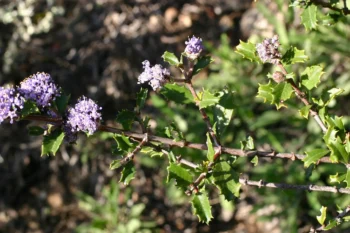
Calistoga Ceanothus: A Rare California Native Worth Protecting in Your Garden
Meet the Calistoga ceanothus (Ceanothus divergens), a charming shrub that’s as special as it is scarce. This little-known California native is one of our state’s botanical treasures, and if you’re lucky enough to find responsibly sourced plants, it can become a stunning centerpiece in your native garden.
What Makes Calistoga Ceanothus Special?
The Calistoga ceanothus is a perennial, multi-stemmed woody shrub that typically stays compact at 4-5 feet tall, though it can occasionally reach up to 13-16 feet under ideal conditions. What sets this plant apart isn’t just its manageable size—it’s its incredible rarity and the delicate beauty it brings to any landscape.
In spring, clusters of small white to pale blue flowers create a cloud-like display that practically hums with pollinator activity. The evergreen foliage provides year-round structure and interest, making it a four-season performer in your garden.
A California Endemic with a Story
This remarkable shrub is native to the lower 48 states, specifically calling California home. More precisely, Calistoga ceanothus is found only in California, with its natural habitat centered around the Napa County area that gives it its common name.
- Species observed
- No observations
Important Conservation Note
Here’s where things get serious: Calistoga ceanothus has a Global Conservation Status of S2, meaning it’s considered Imperiled. With typically only 6 to 20 occurrences in the wild and possibly just 1,000 to 3,000 remaining individuals, this plant is extremely rare and vulnerable to extinction.
If you choose to grow this plant, please ensure you source it only from reputable native plant nurseries that propagate from legally collected seed or cuttings—never from wild-collected plants.
Why Grow Calistoga Ceanothus?
Despite—or perhaps because of—its rarity, there are compelling reasons to include this plant in your garden:
- Support conservation efforts by growing rare native species
- Create habitat for native pollinators, including bees and butterflies
- Add unique character to native California gardens
- Enjoy a drought-tolerant plant perfect for Mediterranean-style landscapes
- Contribute to preserving California’s botanical heritage
Perfect Garden Settings
Calistoga ceanothus shines in several garden styles:
- Native California plant gardens
- Drought-tolerant and water-wise landscapes
- Mediterranean-style gardens
- Hillside plantings for erosion control
- Pollinator gardens focused on native species
Its compact size makes it ideal as a specimen plant or focal point, while its evergreen nature provides structure throughout the seasons.
Growing Conditions and Care
Like many California natives, Calistoga ceanothus is surprisingly easy to grow once you understand its preferences:
Climate: Thrives in USDA hardiness zones 8-10, perfect for most of California’s Mediterranean climate.
Soil: Requires well-draining soil—this is non-negotiable! Heavy clay or waterlogged conditions will quickly kill this plant.
Sun: Prefers full sun but can tolerate partial shade, especially in hotter inland areas.
Water: Drought-tolerant once established, but here’s the key—avoid summer irrigation! Like many California natives, it prefers dry summers and can actually be harmed by too much water during the warm months.
Planting and Care Tips
Success with Calistoga ceanothus comes down to timing and technique:
- Plant in fall: This gives the roots time to establish before the dry summer season
- Improve drainage: If your soil is heavy, plant on a slope or mound, or amend with coarse sand and gravel
- Water wisely: Provide regular water the first year, then reduce to minimal or no supplemental irrigation
- Prune lightly: If needed, prune right after flowering to maintain shape
- Mulch carefully: Use gravel or decomposed granite rather than organic mulches that retain moisture
Pollinator and Wildlife Benefits
The flowers of Calistoga ceanothus are pollinator magnets, attracting native bees, butterflies, and other beneficial insects. By growing this rare native, you’re not just beautifying your garden—you’re providing crucial habitat for California’s native wildlife and supporting the intricate web of relationships that make our ecosystems function.
The Bottom Line
Calistoga ceanothus represents something special: a chance to grow a piece of California’s irreplaceable natural heritage while creating a beautiful, low-maintenance garden feature. Its rarity makes it a responsibility as much as a privilege to grow.
If you can source this plant ethically and provide the well-draining conditions it needs, you’ll be rewarded with a unique shrub that connects your garden to California’s botanical story. Just remember—with great rarity comes great responsibility to source plants ethically and grow them with care.
Ready to add this botanical treasure to your garden? Start by contacting reputable California native plant nurseries and asking about their conservation propagation programs. Your garden—and California’s native plant communities—will thank you.