Calistoga Pincushionplant: A Rare Gem for Native Plant Enthusiasts
If you’re passionate about growing truly unique California natives, the Calistoga pincushionplant (Navarretia heterodoxa) might just capture your heart. This delicate annual offers something special for dedicated native plant gardeners willing to work with a rare and somewhat finicky species.
What Makes Calistoga Pincushionplant Special
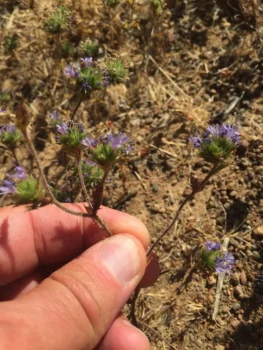
The Calistoga pincushionplant is a small annual forb that produces clusters of tiny white to pale lavender flowers arranged in distinctive pincushion-like heads. As its common name suggests, this plant has a very limited natural range centered around the Calistoga area in California’s Napa Valley. Its delicate, finely divided foliage and compact growth habit make it an intriguing addition to specialized native plant collections.
Native Range and Rarity Status
This plant is endemic to California and has an extremely limited geographic distribution. Important note for gardeners: Calistoga pincushionplant has a Global Conservation Status of S3?, indicating an undefined but potentially vulnerable conservation status. If you choose to grow this plant, please ensure you source seeds or plants from reputable native plant societies or nurseries that practice responsible collection methods.
- Species observed
- No observations
Should You Grow Calistoga Pincushionplant?
Consider growing it if you:
- Are an experienced native plant gardener looking for rare species
- Want to support conservation of California’s endemic flora
- Have a specialized native plant garden or collection
- Can provide the specific growing conditions it needs
- Can source plants or seeds responsibly
This plant might not be for you if you:
- Want reliable, long-lasting garden displays
- Prefer low-maintenance plants
- Live outside of Mediterranean climate zones
- Are new to growing native annuals
Garden Role and Landscape Use
Calistoga pincushionplant works best in specialized settings rather than traditional garden borders. Consider it for:
- Native plant collections and botanical gardens
- Rock gardens with other rare California natives
- Restoration projects in appropriate habitats
- Educational gardens showcasing endemic species
Growing Conditions and Care
This plant thrives in USDA hardiness zones 9-10 and requires Mediterranean climate conditions to succeed. Here’s what it needs:
Sunlight: Full sun exposure
Soil: Well-draining soils; avoid heavy clay or constantly moist conditions
Water: Minimal irrigation once established; follows California’s natural wet winter/dry summer pattern
Climate: Mediterranean climate with mild, wet winters and dry summers
Planting and Care Tips
Growing Calistoga pincushionplant successfully requires understanding its annual lifecycle:
- Timing: Direct seed in fall when winter rains begin
- Soil prep: Ensure excellent drainage; amend heavy soils with sand or gravel
- Watering: Allow natural winter rains to germinate seeds; provide minimal supplemental water during dry spells
- Summer care: Allow plants to complete their cycle and go dormant in summer heat
- Propagation: Collect seeds when mature and store for fall planting, or allow natural self-seeding
Wildlife and Pollinator Benefits
Despite its small size, Calistoga pincushionplant provides valuable resources for native pollinators, particularly small native bees and other beneficial insects. Its flowers, while tiny, offer nectar and pollen during its blooming period. Growing this plant helps support the specialized pollinator relationships that have evolved in California’s unique ecosystems.
The Bottom Line
Calistoga pincushionplant is definitely a plant for the dedicated native plant enthusiast rather than the casual gardener. Its rarity makes it a special addition to collections, but this same rarity means you’ll need to be thoughtful about sourcing and patient with its specific needs. If you’re up for the challenge and can provide the right conditions, you’ll be growing a true California treasure while supporting conservation efforts for our state’s unique flora.
Remember to always source this rare plant responsibly and consider it part of your contribution to preserving California’s incredible botanical diversity for future generations.