Calistoga Popcornflower: A Rare Wetland Gem That’s Better Admired Than Grown
Meet the Calistoga popcornflower (Plagiobothrys strictus), one of California’s most endangered native plants. This tiny annual wildflower might not win any beauty contests, but it holds a special place in the hearts of conservation botanists and native plant enthusiasts. Before you start dreaming of adding this rare gem to your garden, though, there’s something important you need to know.
What Makes This Plant So Special (And So Rare)
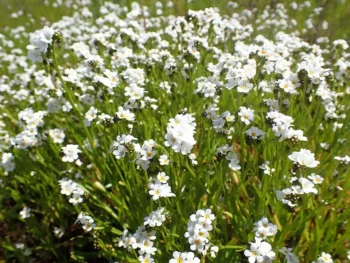
The Calistoga popcornflower is what botanists call a forb – essentially a non-woody flowering plant that completes its entire life cycle in just one year. Like other members of the popcornflower family, it produces clusters of small white flowers that some say resemble tiny kernels of popped corn (hence the charming common name).
But here’s what makes this particular popcornflower extraordinary: it’s critically imperiled. With a global conservation status of S1 and listed as endangered in the United States, this little plant is hanging on by a thread. Typically, fewer than five populations exist worldwide, with fewer than 1,000 individual plants remaining in the wild.
Where in the World Can You Find It?
The Calistoga popcornflower is a true California endemic, found only in the Golden State. More specifically, it’s endemic to the Calistoga area in Napa County – talk about having a limited address! This incredibly restricted range makes it one of the most geographically confined plants in North America.
- Species observed
- No observations
A Wetland Specialist
This isn’t your typical garden annual. The Calistoga popcornflower is classified as an obligate wetland plant, meaning it almost always occurs in wetlands with saturated soils. It’s perfectly adapted to these soggy conditions but absolutely cannot survive in typical garden settings.
Should You Grow Calistoga Popcornflower?
The short answer: Please don’t. Here’s why this rare beauty should stay in the wild (or in the hands of qualified conservation professionals):
- Extreme rarity: With so few plants left in existence, every individual in the wild is precious for the species’ survival
- Specialized habitat needs: It requires specific wetland conditions that are nearly impossible to replicate in home gardens
- Legal protections: As an endangered species, collecting seeds or plants from wild populations may be illegal
- Conservation priority: Efforts should focus on protecting existing habitat rather than cultivation
What You Can Do Instead
If you’re inspired by the story of the Calistoga popcornflower, consider these alternatives:
- Support wetland conservation organizations working to protect rare California plants
- Plant other California native popcornflower species that are more common and suitable for gardens
- Create habitat for pollinators with common native wildflowers in your area
- Visit botanical gardens or nature preserves where rare plants are professionally maintained
A Conservation Success Story in the Making
While the Calistoga popcornflower’s story might seem sad, it’s actually a powerful reminder of why native plant conservation matters. Every rare species like this one represents millions of years of evolution and plays a unique role in its ecosystem. By learning about plants like the Calistoga popcornflower, we become better advocates for the wild spaces and native plants in our own communities.
Sometimes the best way to love a plant is to let it be wild and work to protect the places where it naturally belongs. The Calistoga popcornflower may be small and rare, but it has a big lesson to teach us about the preciousness of our native flora.