Callahan’s Mariposa Lily: A Precious California Native Worth Protecting
If you’re passionate about rare native plants and conservation gardening, Callahan’s mariposa lily (Calochortus syntrophus) might just capture your heart. This delicate California endemic is one of the most endangered wildflowers in North America, making it both a treasure and a responsibility for dedicated native plant gardeners.
What Makes This Lily Special?
Callahan’s mariposa lily is a perennial forb that belongs to the fascinating world of California’s native bulbs. Unlike the woody shrubs and trees that dominate many landscapes, this herbaceous beauty lacks significant woody tissue and instead relies on underground bulbs to survive from year to year. What makes it truly special is its extreme rarity and the story it tells about California’s unique botanical heritage.
A Flower on the Brink
Important Conservation Alert: This plant has a Global Conservation Status of S1, meaning it’s critically imperiled. With typically only 5 or fewer known locations and very few remaining individuals (fewer than 1,000), this species is dancing on the edge of extinction. If you’re considering growing this plant, please ensure you source it only from reputable native plant nurseries that propagate from ethically collected seed or divisions.
Where Does It Call Home?
Callahan’s mariposa lily is endemic to California, specifically found in a tiny area around Callahan in Siskiyou County in Northern California. This incredibly restricted range makes it one of California’s most geographically limited native plants.
- Species observed
- No observations
Garden Appeal and Aesthetic Charm
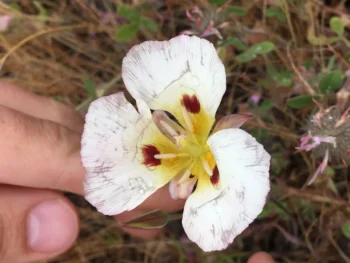
Don’t let its rarity fool you into thinking this isn’t a garden-worthy plant. Callahan’s mariposa lily produces small, exquisite lily-like flowers that are typically white to pale yellow with delicate purplish markings. The blooms appear in late spring to early summer, creating a brief but memorable display that’s sure to be a conversation starter with fellow plant enthusiasts.
Why Grow This Rare Beauty?
Here are compelling reasons to consider adding this plant to your garden:
- Conservation impact: Growing rare natives helps preserve genetic diversity
- Unique garden feature: Few gardeners can claim to grow such a rare species
- Pollinator support: Attracts native bees and small specialized pollinators
- Educational value: Perfect for teaching about plant conservation
- California native authenticity: Represents the state’s endemic botanical treasures
Growing Conditions and Care
Successfully growing Callahan’s mariposa lily requires understanding its natural habitat and seasonal rhythms:
Climate Requirements: Best suited for USDA hardiness zones 7-9, where it can experience the cool, wet winters and dry summers of its native Mediterranean climate.
Soil Needs: Excellent drainage is absolutely critical. This bulb cannot tolerate wet feet, especially during its summer dormancy period. Rocky or sandy soils work well.
Seasonal Cycle: Like many California natives, this plant follows a Mediterranean growth pattern – active growth during cool, moist months and complete dormancy during hot, dry summers.
Planting and Care Tips
- Plant bulbs in fall when temperatures cool and rains begin
- Choose a location with morning sun and afternoon shade
- Ensure soil drains quickly after watering or rain
- Allow the plant to go completely dormant in summer – don’t water!
- Mark the location clearly as the plant disappears completely when dormant
- Protect from slugs and snails during active growing season
- Be patient – rare bulbs often take time to establish
Garden Design Integration
Callahan’s mariposa lily works beautifully in:
- Rock gardens with other Mediterranean climate plants
- Native California plant collections
- Naturalized meadow areas (if conditions are right)
- Specialty conservation gardens
- Container gardens for close observation
A Plant with Purpose
Growing Callahan’s mariposa lily isn’t just about adding another pretty flower to your garden – it’s about participating in conservation. Every responsibly grown plant represents hope for this critically imperiled species. However, this responsibility comes with the requirement to source plants ethically and never collect from wild populations.
If you’re new to rare plant conservation or unsure about the commitment required, consider starting with other California native Calochortus species that are more readily available and less endangered. Once you’ve mastered their care, you’ll be better prepared to provide the specialized attention that Callahan’s mariposa lily deserves.
For the dedicated native plant gardener willing to meet its specific needs, Callahan’s mariposa lily offers the rare opportunity to grow one of California’s most precious botanical gems while contributing to its conservation. Just remember – with great rarity comes great responsibility!