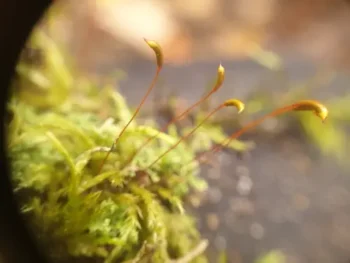
Callicladium Moss: A Delicate Native Bryophyte for Your Garden
If you’ve ever wandered through a shaded forest floor and noticed tiny, feathery green carpets adorning rocks and fallen logs, you may have encountered callicladium moss (Callicladium haldanianum). This charming native bryophyte brings a touch of woodland magic to gardens, offering a unique alternative to traditional ground covers.
What is Callicladium Moss?
Callicladium moss is a small terrestrial bryophyte native to North America. Like all mosses, it’s a non-flowering plant that reproduces through spores rather than seeds. This species has quite the botanical history, having been known by several scientific names over the years, including Heterophyllium haldanianum and Hypnum haldanianum.
As a bryophyte, callicladium moss is herbaceous and often attaches itself to solid surfaces like rocks, living trees, or decomposing wood rather than growing directly in soil. This adaptive quality makes it particularly interesting for gardeners looking to add texture and life to challenging spots in their landscape.
Where Does Callicladium Moss Grow?
This native moss has a relatively limited natural range in the northeastern United States, currently documented in Connecticut, New Jersey, and New York. It thrives in the cool, humid conditions typical of northeastern forests.
- Species observed
- No observations
Is Callicladium Moss Beneficial for Gardens?
Absolutely! While callicladium moss may be small, it offers several benefits for garden ecosystems:
- Erosion control: Its mat-like growth helps stabilize soil on slopes and prevents erosion
- Moisture retention: Mosses act like natural sponges, helping retain moisture in garden beds
- Aesthetic appeal: The delicate, feathery branching pattern adds fine texture and visual interest
- Low maintenance: Once established, mosses require minimal care
- Wildlife habitat: Provides shelter for tiny insects and other small creatures
How to Identify Callicladium Moss
Identifying callicladium moss requires a close look at its distinctive features:
- Growth pattern: Forms small, loose mats or cushions
- Branching: Displays a feathery, plume-like branching pattern
- Size: Individual plants are quite small, typically just a few centimeters tall
- Color: Bright to medium green when moist, may appear duller when dry
- Habitat: Look for it on rocks, rotting logs, or occasionally on soil in shaded areas
Growing Conditions
If you’re hoping to encourage callicladium moss in your garden, focus on creating the right environment:
- Light: Prefers shade to partial shade
- Moisture: Needs consistent humidity and occasional moisture
- Air circulation: Benefits from good air flow to prevent stagnation
- Surface: Thrives on rocks, logs, or well-draining soil
- Climate: Best suited for cooler, humid climates (likely USDA zones 3-7)
Perfect Garden Spots for Callicladium Moss
This native moss works beautifully in several garden settings:
- Woodland gardens: Naturally fits into forest-like landscapes
- Rock gardens: Softens hard edges of stones and boulders
- Shade gardens: Adds ground-level interest where few plants thrive
- Near water features: Appreciates the added humidity
A Gentle Reminder About Native Plants
As with all native species, it’s important to source callicladium moss responsibly. Rather than collecting from wild populations, consider working with native plant societies or specialty nurseries that propagate bryophytes sustainably. You can also create favorable conditions in your garden and see if this charming moss finds its way to you naturally!
Callicladium moss may be small, but it offers big benefits for gardeners interested in supporting native biodiversity while adding unique texture to their landscapes. Next time you’re in your shaded garden spots, keep an eye out for this delicate native treasure.